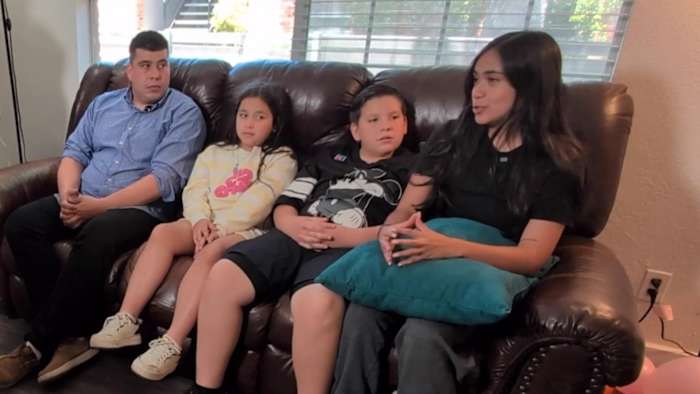
Maria Uzcategui-Castillo and her two stepchildren, 11-year-old Victor Uzcategui-Labrador Jr. and 8-year-old Monserrat Uzcategui-Labrador, were reunited with family and friends in San Antonio after their release from the South Texas Family Residential Center in Dilley following a federal judge’s order. The family had been detained by U.S. Immigration and Customs Enforcement agents on April 27 in Alamo Heights while heading to a school bus stop. The return to San Antonio brought relief, tears and questions about how the detention happened.
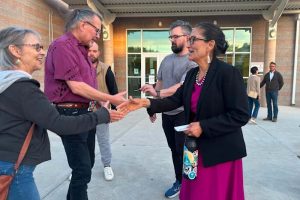
Hugs, food and a rush of emotion greeted Maria and the children outside the family’s home, a scene that underlined how small communities can rally fast when a family is in crisis. Victor Labrador Sr. made it clear he was overjoyed to have them back, saying, “Muy alegre ellos están de nuevo conmigo.” The atmosphere showed how personal these cases become when neighbors and friends step in.
The family says they were walking to a bus stop in Alamo Heights when they were taken into custody, with Victor Sr. explaining he had briefly returned to the apartment and then saw ICE agents surrounding his wife and children. The detention on April 27 cut their morning routine short and left the household reeling. That sequence of events has become the center of local concern and legal review.
The release followed a federal judge’s order and weeks of advocacy from lawmakers, lawyers and community members pressing for the family’s freedom from the Dilley facility. The South Texas Family Residential Center in Dilley has been the site of intense scrutiny in recent years, and this case added fuel to debates about how families are handled. Community pressure played a clear role in getting attention on the family’s situation.
The family’s attorney has stated that both Maria and Victor Sr. have valid legal status after arriving from Venezuela in 2021 and applying for asylum, a detail that complicates the enforcement picture. Those legal status claims are central to why advocates sought their release and why the judge intervened. The attorney’s assertion frames the detention as a potentially avoidable disruption to a family that has been trying to establish stability here.
Inside the Dilley facility the children said their time was traumatic, and their words carried weight. “I don’t like the experience in Dilley,” Monserrat Uzcategui-Labrador told reporters. Victor Uzcategui-Labrador Jr. added that many of the families detained there appeared to be innocent people simply trying to work and care for their families, a human perspective that fueled local outrage.
Maria Uzcategui-Castillo described limited educational resources for children inside the facility and claimed some families remained detained longer than the 20-day limit typically applied to family detention cases. Those are serious allegations that deserve investigation, because children’s schooling and well-being should not be collateral damage in immigration enforcement. The family says these conditions made the days long and difficult.
From a Republican viewpoint, the facts here demand both vigilance and common sense: laws and borders must be respected, but the system must also prevent wrongful or prolonged detentions of people with legal claims. Cases like this show a need for better coordination between federal agencies and local authorities so records and legal statuses are checked before families are torn apart. Accountability and process matter as much as enforcement.
Despite the hardship, Uzcategui-Castillo said she is grateful for the support the family received from everyone who advocated for their release, and that gratitude was visible at the reunion. The children are expected to return to Cambridge Elementary School and reconnect with classmates and teachers in the coming days, a step toward normalcy for them. Community groups and neighbors say they will keep helping the family with the transition back into daily life.
The images of the family’s return — neighbors sharing food, relatives gathering on the porch, and the children heading back toward school — made clear that local networks can move fast when a family needs help. The episode has spurred new questions about how detentions are handled and how to avoid similar situations moving forward. People in San Antonio and beyond will be watching how the legal process unfolds and whether changes follow.