Asian policymakers, investors, and business leaders are increasingly portraying themselves as active participants in navigating a more fragmented global order, seeking to build resilience rather than passively balancing between the United States and China.
Building Resilience
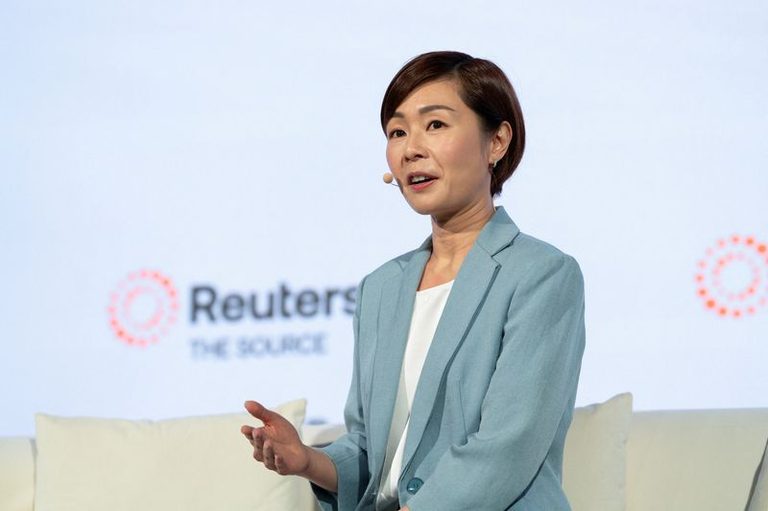
That message emerged repeatedly during discussions at the Reuters NEXT Asia event in Singapore, where speakers from governments, sovereign wealth funds, and private equity firms argued geopolitical tensions were no longer temporary disruptions but a permanent feature of the global landscape that demanded long-term strategies rather than short-term reactions.
For Thailand, that means taking a more proactive approach to foreign policy and investment, and working pragmatically with different partners depending on national interests rather than aligning with any one power.
Thai Vice Finance Minister Santitarn Sathirathai said, “We seek to be the trusted connector in this fragmented world.”
He said Thailand’s priorities extended beyond attracting investment to improving its quality, judging projects not by their country of origin but by whether they delivered technology transfers, skilled jobs, and stronger domestic supply chains.
Asia as Opportunity
Private equity investors broadly echoed that assessment, arguing that U.S.-China rivalry and broader geopolitical tensions had become part of the new investment landscape but had strengthened, rather than diminished, Asia’s appeal.
Stephanie Hui, Goldman Sachs’ head of Asia private equity, said, “Asia is going to have two-thirds of the middle class by 2030 and 60% of … the global growth is coming from Asia. So people are diversifying into the region.”
Original reporting: Appleton, WI News Feed (HLL/CB) — read the source article.