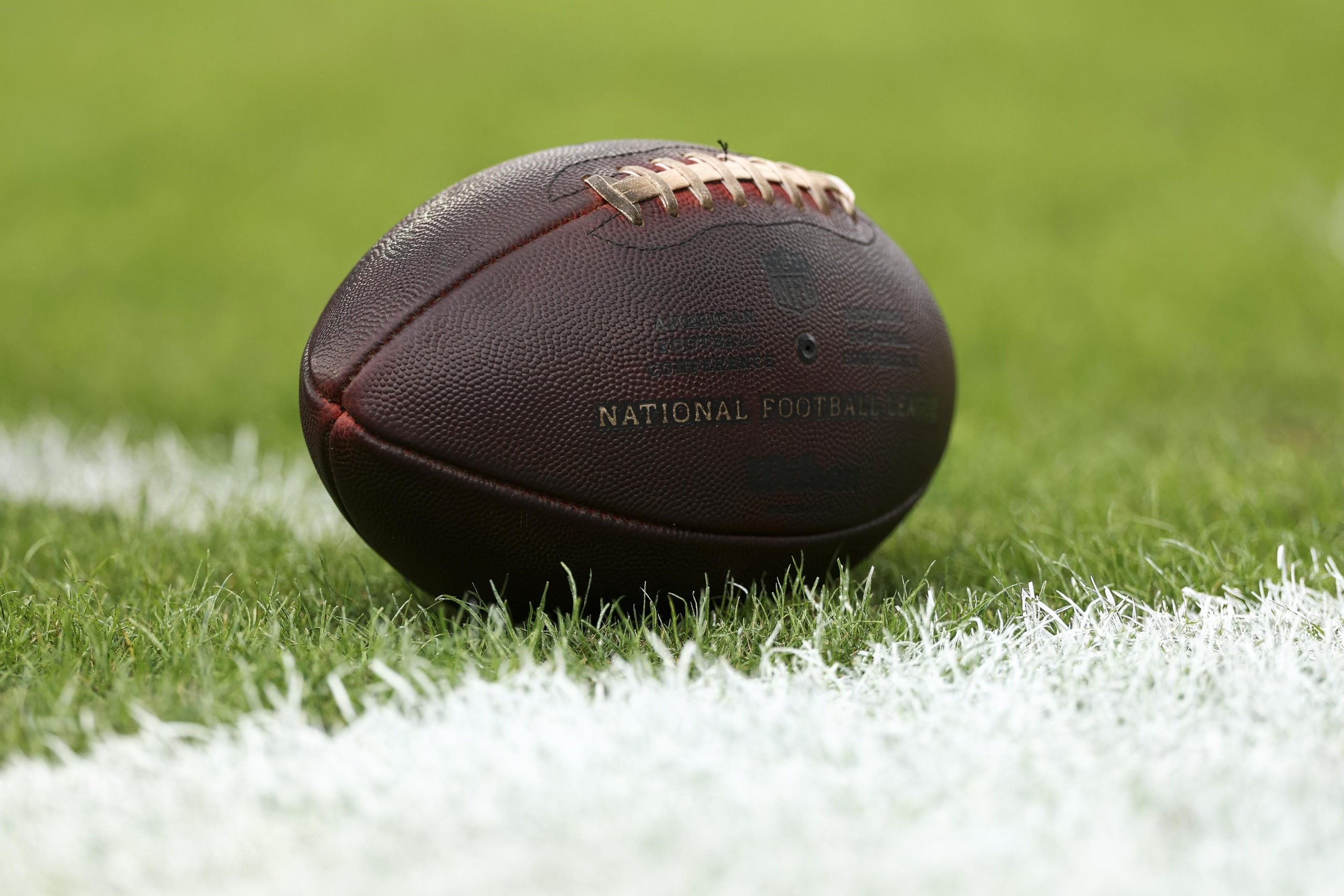
The NFL and its players are gearing up for a high-stakes negotiation over an 18th regular-season game, and the fight isn’t just about money. Leaders like JC Tretter and former players such as Josh McCown have begun planting flags around playing surfaces — grass versus artificial turf — as a non-financial bargaining point. The World Cup’s temporary grass rollouts and player safety research are already shaping the debate. Owners and the NFL Players Association will have to square off over schedule expansion and the conditions under which players perform.
The collective bargaining agreement runs through 2031, but talks are already underway about adding the 18th game by 2028, with revenue split and player compensation on the table. This comes as . A total of 11 stadiums will host World Cup matches this summer, and eight of those venues are installing temporary grass even though they normally play on turf. That contrast is fueling the argument that the league can do more to meet player preferences if it chooses to.
“You look at FIFA,” Tretter said, “owners will roll out the green carpet for soccer players.” His point lands because NFL players overwhelmingly say they favor grass — they feel safer, they report fewer joint complaints, and the surface generally plays better with cleats. Owners counter with the reality that turf costs less to maintain and is more consistent across weather and multi-use schedules, making it attractive for stadium operations and bottom lines.
The NFLPA seems to be treating field surface as leverage for the expanded schedule negotiations rather than a side note. If the league pushes an extra game, the players will likely demand meaningful quality of life upgrades in exchange — and that starts with the ground they play on. That means grass could become a bargaining chip alongside revenue sharing, roster tweaks, and medical protections when union leaders sit at the table.
Talk of grass versus turf from union figures and ex-players isn’t accidental or merely sentimental; it’s strategic. The players will insist on rules that protect their long-term health, and the surface is an obvious place to demand standards. Proposals on the table could range from requiring natural grass to setting mandatory facility minimums based on annual player report cards and injury data the union already collects.
We’ve told the NFL this easily for 2 decades.. this is not new.
We took surveys after (most) every season I played in and this was always one of the questions.
the resounding majority was we preferred grass. Yet more turf field put in not less.They’ve just (seemed) to not… https://t.co/5dSFnrMDBT
— Luke McCown (@luke_mccown) May 13, 2026
Owners’ sudden embrace of temporary grass for FIFA events isn’t necessarily altruistic — FIFA requires traditional grass for World Cup play. High-profile examples underline that elite soccer players do not play on turf, illustrated by Lionel Messi’s public reluctance to play at some turf venues after joining Inter Miami. That contrast is useful to the players’ argument, but it also highlights a key distinction: soccer and football stress surfaces differently.
Real grass can be fragile, especially inside domes or at multipurpose stadiums where baseball, concerts, and soccer stretch the turf. Football places intense, localized stress on the sod because players plant and push off repeatedly, which means fields can become uneven or require mid-season replacement. Those replacements add cost and logistical headaches, particularly in colder climates or during heavy usage months.
Teams that commit to natural grass often need to invest much more in grounds crews, drainage, heating systems, and sometimes full field swaps to keep the surface safe and consistent. Artificial turf offers predictable footing and lower upkeep costs, but many studies suggest it increases certain injury risks and feels worse to players. That tension — predictable performance versus player preference and safety — is the heart of the coming fight.
Standardizing playing surfaces would also change how equipment makers design cleats and how trainers plan conditioning programs across the league. If every team used the same kind of field, innovation could focus on one set of variables and potentially reduce avoidable injuries. The practical question for owners is whether they will absorb higher short-term costs to secure the right to add another regular-season game, or try to limit concessions and risk a prolonged standoff with the union.