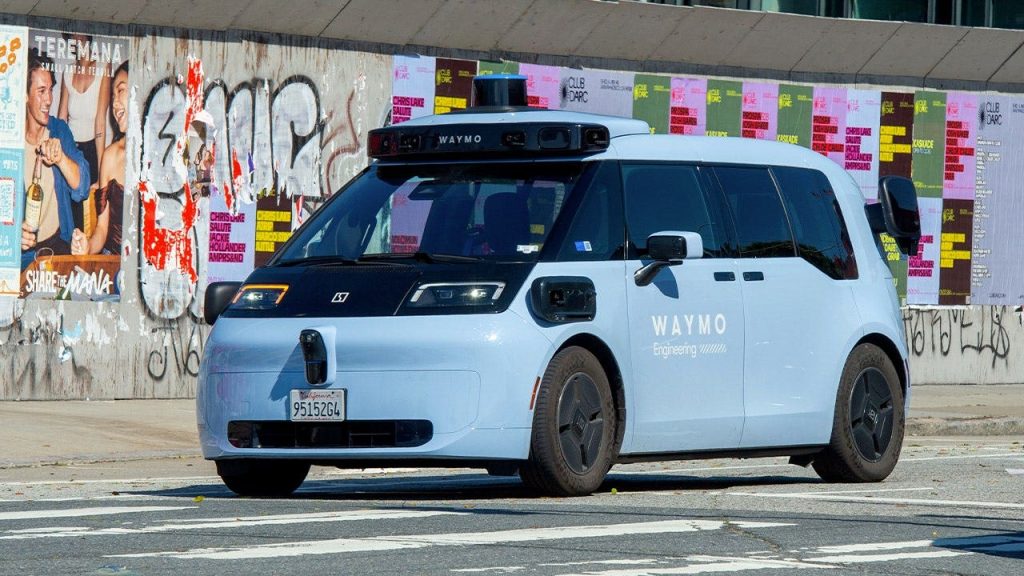
Waymo is under fresh scrutiny after a National Highway Traffic Safety Administration notice and a vehicle recall sparked new safety and security questions in Washington and across the country. The recall covers 3,791 robotaxis tied to software that could let vehicles drive into standing water on higher-speed roads, and a separate San Antonio incident where a vehicle was swept away has added urgency. The debate now mixes public safety concerns, worries from the Trump administration about foreign ties, and Waymo’s own statements defending its U.S.-based technology, leaving regulators and the public watching closely.
The NHTSA letter says Waymo is recalling “certain 5th and 6th Generation Automated Driving Systems (ADS), as the “software may allow the vehicle to slow and then drive into standing water on higher speed roadways.” That language is blunt and it explains why the agency flagged the risk of loss of control. A recall of 3,791 vehicles is not a minor update; it is a nationwide action that puts the company squarely inside federal scrutiny.
Waymo responded by stressing scale and safety, saying, “Waymo provides over half a million trips every week in some of the most challenging driving environments across the U.S., and safety is our primary priority. We have identified an area of improvement regarding untraversable flooded lanes specific to higher-speed roadways, and have made the decision to file a voluntary software recall with NHTSA related to this scenario.” The company also emphasized steps it says it has already taken to reduce exposure to flash flooding and intense rain.
That defense did not quiet critics who argue the technology is still being tested on public streets. “They’re testing these in real-life situations, and they’re also putting American lives at risk. When you’re talking about pedestrians, when you’re talking about these flood issues, you know, if you’re in one of these Waymos, you’re totally dependent on whatever AI program that they’ve instituted to be able to navigate you safely out of there,” a source close to the Trump administration told Fox News Digital. Those worries reflect a simple Republican skepticism: public roads should not be proving grounds for uncertain software that can put people in harm’s way.
Beyond the recall, the San Antonio case where a Waymo vehicle entered a flooded roadway and was swept away has been a flashpoint. Waymo briefly suspended operations in San Antonio after that unoccupied vehicle was carried off, which made the abstract risk suddenly tangible. When failures happen on public streets, they ripple fast through communities and political decision-makers alike.
There are also national security questions layered on top of safety concerns, and those have attracted attention in Washington as trade and supply chains with China are scrutinized. The source warned that components with cameras and microphones are “not susceptible to foreign manipulation” only at risk, and pointed to partnerships that raise questions. One specific example raised in the debate is the Waymo Ojai, which is produced by the Chinese automaker Zeekr, prompting close review of hardware provenance.
Waymo pushed back on the national security angle by pointing to domestic development. “The technology that collects data and makes our vehicles autonomous—the software, sensors, and computing systems—is developed and installed by Waymo in America.” The company also said it supports regulatory measures, adding, “Waymo strongly supports the Department of Commerce’s BIS connected vehicle rule, which addresses national security risks from foreign AV technology, including both software and hardware. Waymo is committed to furthering our own – and America’s – leadership in the development and deployment of the critical automated driving technologies.”
Still, skeptics say commercial deployment at scale means there are more points of vulnerability, and the political context intensifies that fear. The Trump administration has signaled it will scrutinize China-linked technology more aggressively, and those flags can turn into policy or export controls that affect deployments. For companies moving fast, this creates a double risk: operational setbacks from technical failures and strategic constraints from rising geopolitical tension.
For consumers and city officials, the immediate question is straightforward: is autonomous tech safe enough for normal traffic and weather conditions yet? NHTSA’s intervention underscores that regulators expect companies to account for real-world hazards, like flash flooding on higher-speed roads. As Waymo and others update software and maps, regulators will want proof the fixes work broadly and promptly across every environment where these vehicles operate.
The coming weeks will likely see more attention from Capitol Hill and federal agencies as they weigh safety, security, and the pace of deployment. Waymo says it has rolled out mitigations and software updates, but critics and some policymakers argue those fixes must be paired with tougher rules on supply chains and clearer standards for public testing. The stakes are both practical and political, with cities, drivers, and national security watchdogs all watching how this plays out.