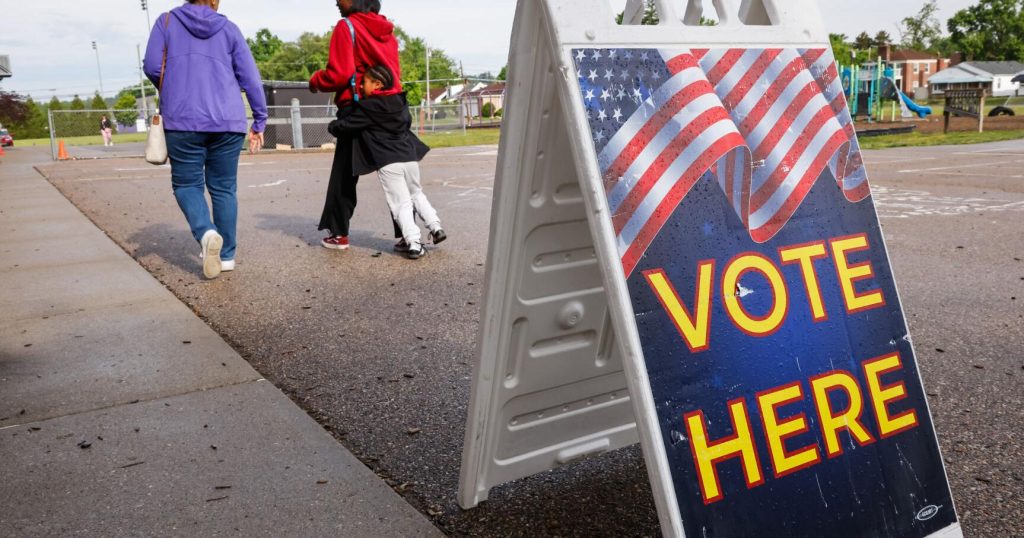
Property taxes remain a hot-button topic across the country as voters face levy requests on the May primary ballot, and local school districts and municipalities are watching turnout closely to see whether vocal frustration turns into ballot-box rejection.
Property taxes are top of mind for many homeowners and renters because they touch monthly budgets and local services. Voters often express anger at rising bills, but when levy questions appear on a ballot, the results can tell a different story. In many places, support for targeted levies persists even amid broader complaints, and the May primary is a clear test of how grievances translate into votes.
Levy measures are typically pitched as tools to fund schools, emergency services, or infrastructure repairs, and that framing matters a lot. When districts connect a levy to specific classroom needs or public safety upgrades, voters are more likely to sign off. Conversely, generic pleas about balancing budgets tend to underperform because people want clear, tangible benefits for extra dollars taken from their pockets.
Turnout is another crucial factor that complicates the picture. Primary elections usually attract a smaller slice of the electorate, often the most engaged or those with direct ties to institutions asking for money. That means a vocal minority can swing results, and a few organized voting blocs can carry a levy across the finish line even if broader public sentiment is sour.
Campaign tactics shape outcomes just as much as economics do. Clear, honest messaging about what the money will accomplish and how long the tax will last builds credibility. On the other side, opponents who accuse districts of poor spending or lack of transparency can mobilize distrust effectively, especially when they spotlight past missteps or perceived waste.
The structure of levies matters, too. Replacement levies that keep rates flat often fare better than requests that increase tax burdens, because homeowners dislike surprises. Timelines and sunset clauses offer voters a sense of control, and many successful campaigns promise regular audits or public reporting to show taxpayers exactly where funds go.
Local context changes everything: a small district struggling to retain teachers faces different voter math than a fast-growing suburb needing new infrastructure. Demographics, recent tax history, and competing priorities like rising gas or grocery prices all feed into whether a levy passes. That’s why election watchers look beyond headlines and dig into precinct-level returns to understand who showed up and why.
For residents weighing a Yes or No, practical questions matter more than slogans. Voters want to know if the levy will protect class sizes, improve emergency response times, or fix critical infrastructure. They also want assurances that administrators are managing existing funds responsibly and that future budgets won’t rely on perpetual tax increases as a default.
Officials considering placing a levy on a future ballot should focus on clarity, accountability, and timing. Early outreach, transparent budgets, and partnerships with community groups can bolster support, while last-minute pushes or vague promises risk rejection. As May’s primary plays out, the results will show whether local campaigns translated taxpayer angst into meaningful change at the ballot box.