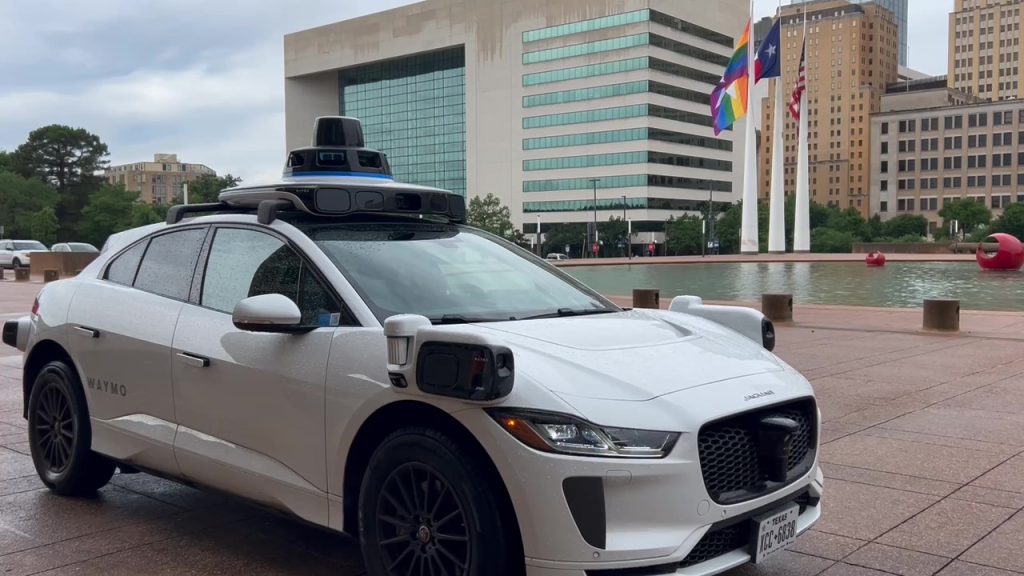
Waymo has voluntarily recalled 3,791 of its driverless taxis after a National Highway Traffic Safety Administration letter flagged a software behavior that could lead vehicles into flooded lanes. The issue surfaced after an empty Waymo vehicle in San Antonio entered a flooded lane, and the company has narrowed operations and is developing a software fix while working with NHTSA.
The recall covers Waymo’s fifth- and sixth-generation autonomous vehicles, totaling 3,791 cars. NHTSA’s letter, addressed to Waymo Senior Director Matthew Schwall, explains the trigger for the action and pushed the company to take immediate precautions. The move is voluntary while a long-term software remedy is being built.
NHTSA’s letter includes a blunt description of the risk: “The software may allow the vehicle to slow and then drive into standing water on higher speed roadways,” NHTSA said in the letter that was addressed to Waymo Senior Director Matthew Schwall. That behavior becomes especially worrying when roads are drenched and visibility or traction is reduced.
The specific incident prompting the review happened in San Antonio, where an empty Waymo entered a flooded lane during extreme weather. No person was aboard, but the event set off a broader safety audit across the fleet and led Waymo to tighten its real-world operating limits. The company says it has already implemented interim mitigations like stricter weather rules and updated maps to reduce exposure to flash flooding areas.
Waymo spelled out the issue and the company’s response in a statement: “We have identified an area of improvement regarding untraversable flooded lanes specific to higher-speed roadways, and have made the decision to file a voluntary software recall with NHTSA related to this scenario,” Waymo said in a statement. “We are working to implement additional software safeguards and have put mitigations in place, including refining our extreme weather operations during periods of intense rain, limiting access to areas where flash flooding might occur.”
NHTSA also emphasized the driving risk in clear terms: “Entering a flooded roadway can cause a loss of vehicle control, increasing the risk of a crash or injury,” NHTSA said in the letter. That warning tracks with long-standing advice from the National Weather Service and public-safety officials about avoiding floodwaters at all costs.
The National Weather Service data referenced in the report is stark: more than half of flood fatalities are vehicle-related. The agency’s commonly repeated cautions explain why — six inches of moving water can reach the bottom of most cars and cause a loss of control, one foot can float many vehicles, and two feet of rushing water can carry off most cars and SUVs. Those physics matter whether a human driver is behind the wheel or a computer is guiding the vehicle.
Waymo has expanded its robotaxi program into other Texas markets, including a rollout in Dallas earlier this year, and the company’s operations have drawn broader attention as autonomous services expand. Another operator, Avride, is also under federal scrutiny after incidents reported in Dallas, adding to the spotlight on how robotaxi software handles unusual or dangerous road conditions.
For now, Waymo says the technical fix is under development and that its operational tweaks are meant to lower risk while the company works through the recall process. Regulators and companies both appear to be treating the recall as a chance to refine decision-making in edge-case scenarios, particularly where fast-moving traffic and unexpected standing water intersect.
This story uses functionality that may not work in our app. Click here to open the story in your web browser.