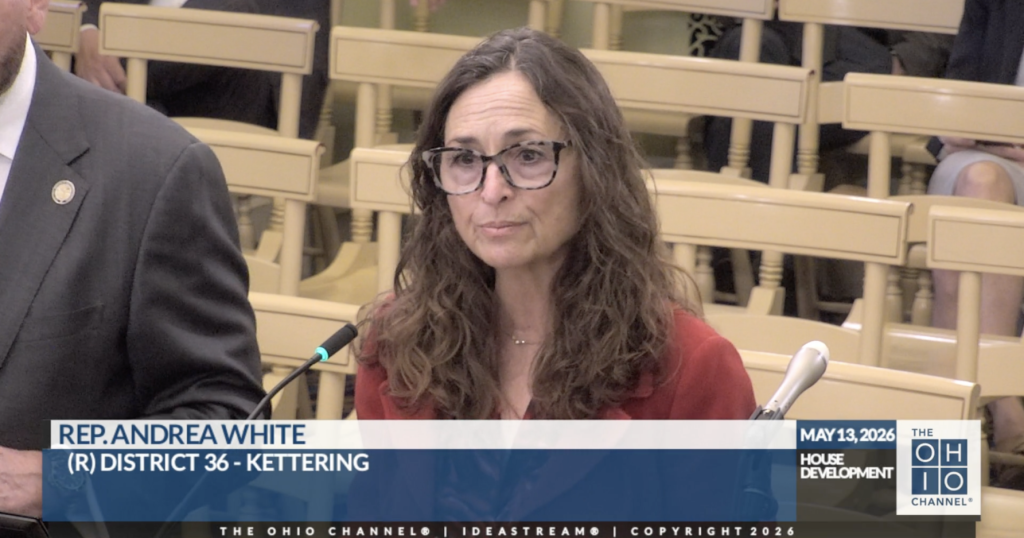
Ohio lawmakers and two area representatives are arguing the state’s single-family housing development tax credit is sitting mostly unused and needs to be retooled to actually jump-start homebuilding. They say the credit’s current design fails to motivate builders or deliver real value for Ohio taxpayers, and they want fixes that encourage private investment and faster approvals. The debate is happening around practical fixes to make the credit smarter, leaner, and more effective in communities across the state.
The core complaint from representatives is simple. The credit exists on paper but does not change builders’ behavior because it is either too small, too hard to claim, or too uncertain to plan around. For taxpayers that is a problem: you should not fund a program that does not produce homes, jobs, or measurable returns.
From a Republican perspective the answer is not more spending, it is smarter incentives and clearer accountability. Turn the credit into a targeted, outcomes-driven tool that rewards actual starts and occupied homes rather than promises. That shifts money toward projects that deliver, and away from bureaucratic dead ends that never move dirt.
Practical changes could include tying credits to verifiable milestones like building permits, construction starts, and final occupancy. That forces alignment between state incentives and real-world timelines, and limits the chance that developers collect money without delivering housing. It also protects taxpayers by making incentives conditional on measurable progress.
Another piece of the puzzle is lowering non-tax barriers that stop projects before they begin. Streamlined permitting, clearer zoning for single-family neighborhoods, and faster inspections often unlock private capital faster than the size of a tax credit does. Representatives are pressing for reforms that combine limited fiscal incentives with common-sense regulatory relief so builders can actually respond.
There is also an argument for concentrating credits where they move the needle most: infill lots, workforce housing corridors, or areas with demonstrated buyer demand. A blunt statewide credit that treats every parcel the same wastes dollars and distorts choices. Directing incentives to projects that expand attainable ownership makes the program more efficient and politically defensible.
Transparency and sunset clauses are another Republican-friendly fix. Require regular reporting on how many homes were built per dollar claimed and set automatic review dates so the program cannot linger in an ineffective form. That keeps lawmakers accountable and gives taxpayers assurance the credit won’t become an open-ended subsidy with no measurable benefit.
Finally, the state can design the credit to harness private leverage. Structure it to reduce financing gaps so builders can close deals faster, while preserving private capital’s risk-reward balance. That way the public contribution is catalytic rather than substitutive, nudging projects that would not otherwise pencil out while leaving the bulk of investment and risk with private developers.
Ohio’s single-family housing supply problem is real and local families feel it when they shop for homes or try to start a family. If lawmakers want to fix that, they should insist the tax credit be a precise, accountable tool that rewards actual homebuilding, strips out waste, and speeds approvals. That approach respects both conservative fiscal principles and the urgent need for more homes.