I cast a small spinner into a shallow, fast seam and watched it land a foot from the bank near a willow’s shadow. The rod tip lifted, the blade began to sing, and I eased the retrieve so the lure rolled downstream, just fast enough to keep the flash alive. This piece walks through why that quartering presentation works, how to read eddies and willow pockets, and what to feel for when a trout decides to eat.
A spinner is a simple tool but it demands respect. When you flip the rod tip up and let the blade start, you are dialing in a cadence that trout recognize as vulnerable prey. That slight pause and the angle of a downstream retrieve change everything in a deep run with a current break.
Currents are not enemies, they are conversations you have to understand. A thick overhanging willow will create an eddy or a shadow line where leaves and bugs collect, and trout sit just downstream of that seam waiting to ambush. Quartering your lure downstream keeps it moving like a natural item would, hugging the break where a big fish is likely to hold.
Speed matters more than most anglers admit. If you retrieve too fast the blade still spins, but the profile becomes unnatural and trout ignore it. Too slow and the spinner stalls or flips, and you lose the flash and vibration that provoke reaction strikes. The trick is barely fast enough to keep the blade turning while the lure drifts through the strike zone.
Rod tip position is a small habit with a big payoff. A lifted tip initiates the blade and keeps the line off the water, which helps you feel the first gentle mouthful. Lowering the rod slightly on the retrieve keeps the lure in the zone longer and gives you better control when the line tightens. Those tiny adjustments separate an average day from a banner morning on the water.
Reading water depth changes will save you lost lures. In a deep run the current wraps differently around rocks and woody debris, so the lure will track at a different angle than it does in shallow riffles. Feel the weight and listen to the reel; a spinner that digs slightly could have bumped bottom or been crushed by a fish. Adjust retrieve cadence or use a slightly heavier blade to maintain contact with the strike zone.
Willow pockets deserve a second look every cast. Leaves and twigs create micro-eddies that harbor insects and shade, and a trout tucked into the shadow often refuses a noisy, head-on presentation. Cast upstream and let the spinner quarter through the pocket so the bait appears to be fleeing into the current. When you do it right, the strike comes from below and behind, not from the front.
Strike detection is mostly about feel, not sight. A trout’s take on a spinner is often subtle, a barely perceptible click or a lump in the line as the blade momentarily slows. Set the hook with a smooth but firm sweep rather than a frantic yank; spinners bury hooks when you give them a clean, decisive tug. A nervous hookset is the fastest way to miss the only strike you might get in a quiet run.
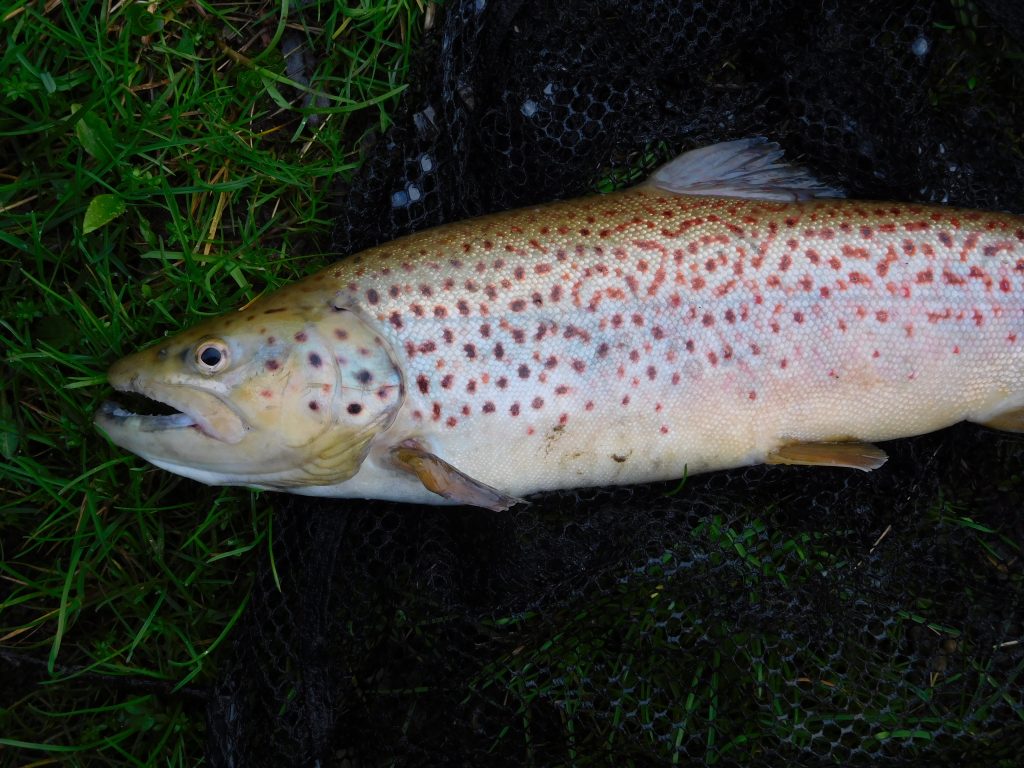
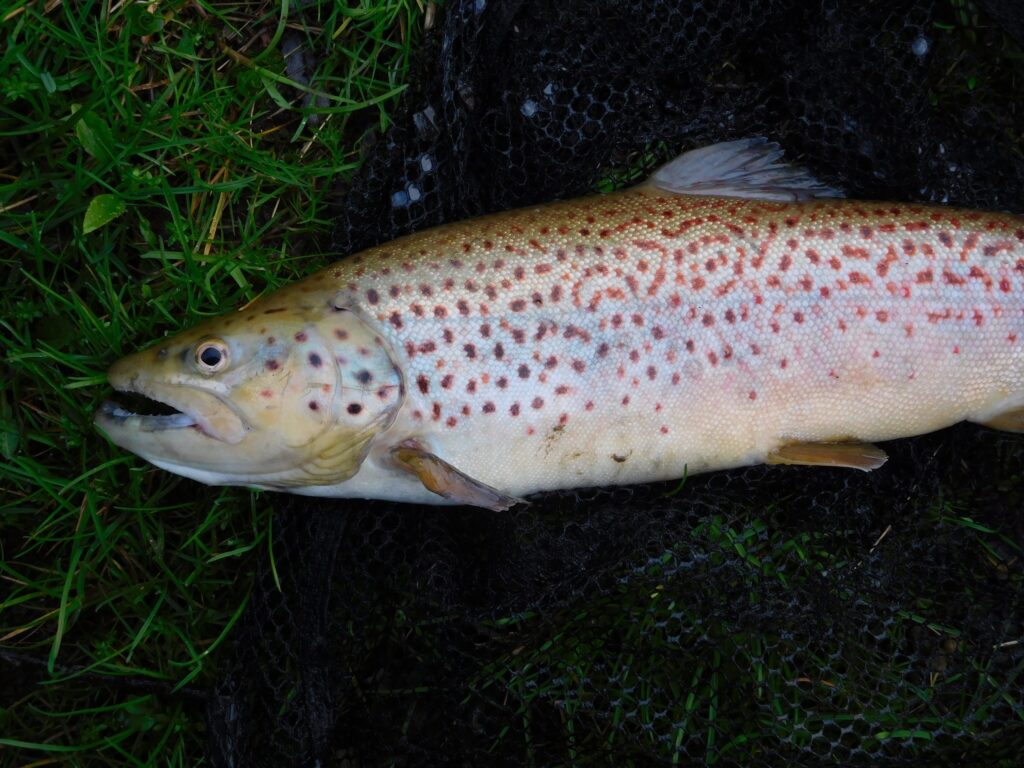
Playing the fish is a balance of pressure and patience. Keep steady tension and let the trout run when it wants, but don’t let it find structure where leaders tangle or snags wait. Short, controlled pumps and steady reeling will coax a trout away from hazards without exhausting it. Netting becomes simple when you bring fish up over open water instead of into branches and roots.
Gear choices matter but do not need to be exotic. A medium-light rod with a crisp tip, a smooth drag reel, and light fluorocarbon leader make spinners feel alive and present. Blade size changes the vibration and flash, so carry a few options and match it to current speed and water clarity. Lighter blades suit clear, slow conditions while heavier blades run truer in strong flow.
Timing your trips around insect activity and light conditions pays dividends. Early morning and dusk bring more surface movement and might push trout into faster water to feed. Overcast days can make trout bolder, while bright sun sends them deeper or into thick cover. Learn the rhythm of a stream and you will predict where fish want your spinner before you make the cast.
Leave the bank better than you found it and you keep water healthy for the next angler. Tackle appropriately sized hooks, sweep away loose tackle, and avoid trampling banks where vegetation stabilizes the soil. Respecting the water is as much a part of being a good angler as mastering the quartering retrieve and reading eddies.
The next time you stand over a deep run with a willow bending into the flow, remember that presentation beats power. A quiet cast, a lifelike retrieve, and a willingness to read the subtle language of the current will put more trout in the net. On the water, patience and small adjustments win more days than bravado ever will.