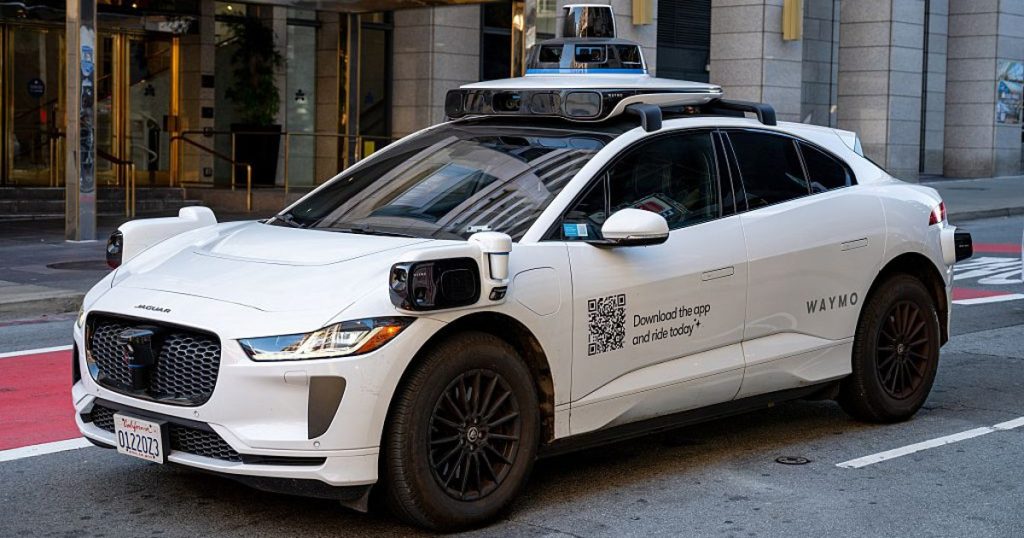
Waymo has issued a recall for 3,791 of its robotaxi vehicles after federal safety officials flagged a software flaw that can let the cars slow and then enter standing water on higher-speed roads, a condition that risks loss of control and potential crashes. FILE-A Waymo vehicle is parked in San Francisco, California on Jan. 22, 2026. (Photo by Smith Collection/Gado/Getty Images) The National Highway Traffic Safety Administration documented the problem in a May 1 recall notice and said a permanent fix is still being developed while Waymo rolls out interim operational limits and map updates.
The recalled vehicles are tied to specific fifth and sixth generation automated driving systems, and the defect centers on how those systems react when the car slows near flooded sections of a highway. Engineers worried that once the vehicle reduced speed it might continue into standing water rather than selecting a safer routing or stopping strategy. That behavior raised immediate safety concerns, prompting the formal recall and regulatory oversight.
NHTSA’s recall letter spelled out the potential consequence plainly: an automated vehicle entering a flooded roadway could lose the ability to stay under control, elevating the risk of a crash or injury. Waymo has already implemented an interim measure to narrow where these vehicles are allowed to operate in bad weather and to tighten the conditions under which they drive. Those restrictions were intended to reduce the chance the software would ever encounter the scenario that leads to the unsafe response.
By April 20, Waymo pushed an interim update to the affected fleet that adjusted both the operational domain of the vehicles and the underlying map data used for navigation. Updating maps can change which lanes and routes the cars consider safe, and changing operational limits can keep the system from engaging in certain conditions. Both moves are stopgap measures while a full software remedy is prepared and tested for deployment.
The recall notice does not leave a precise timeline for the permanent remedy, only that the company is working with regulators to develop a fix. That kind of phased response—temporary controls followed by a software patch—matches how automakers and tech firms typically respond to complex software-based safety defects. But it also means the affected robotaxis will operate under tighter constraints until the fix is issued and validated by authorities.
The recall comes amid heightened scrutiny of automated vehicle programs after a string of high-profile incidents around difficult road and weather conditions. Regulators and the public are watching how companies like Waymo balance rapid deployment with the safety checks needed when software is effectively driving. For people living or commuting near Waymo service areas, the practical impact will be fewer available routes or temporary suspensions in certain weather while fixes are rolled out.
The recall notice also notes the recall covers vehicles operating across Waymo’s deployments rather than being limited to a single city, and NHTSA handled the filing as a federal safety action. The agency’s involvement underscores that automated driving systems are treated like any other vehicle component when it comes to safety recalls. Companies must report defects and outline interim and long-term remedies, and regulators track compliance until the issue is resolved.
The Source: Information for this story was provided by a National Highway Traffic Safety Administration recall letter. This story was reported from Washington, D.C.