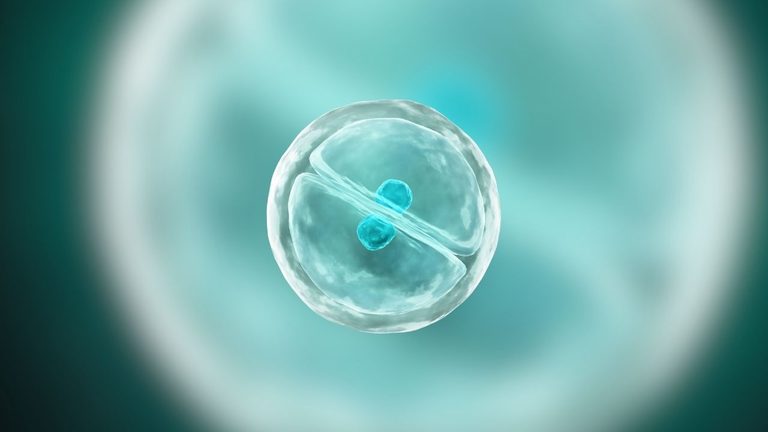
Researchers at the University of Minnesota have created SpudCell, a synthetic cell assembled entirely from non-living chemical components that can feed, grow, replicate its genome, and divide into new generations.
Breakthrough in Synthetic Biology
SpudCell consists of a microscopic water droplet surrounded by a fatty membrane, containing about 150 to 200 molecules and a genome with roughly 36 genes encoded in approximately 90 kilobase pairs of DNA. Unlike prior synthetic biology efforts that modified existing living cells, this system was constructed part by part from known, lifeless chemicals.
The cell performs key life-like processes: it acquires resources by feeding, grows by fusing with other droplets, replicates its genetic material, divides, and exhibits evidence of selection, in which variants compete across generations. Researchers describe it as an “incredibly wimpy organism” that functions for about five generations in the lab.
Kate Adamala, a synthetic biologist at the University of Minnesota, led the work. The team has established Biotic, a public-benefit corporation, to share the technology with other researchers and advance its capabilities.
Experts outside the team have called the advance significant. Prof. Tom Ellis at Imperial College London described it as probably the field’s “biggest breakthrough in recent times.” Scientists anticipate SpudCell could serve as a programmable “chassis” for engineering new biological systems.
Original reporting: The Dallas Express — read the source article.