Tucked inside Theodore Wirth Park on the near-north side of Minneapolis, the Eloise Butler Wildflower Garden and Bird Sanctuary holds the remarkable distinction of being the oldest public wildflower garden in the United States. Founded in 1907 by a determined botanist and schoolteacher named Eloise Butler, this living museum covers about 15 acres of bog, woodland, and upland prairie — and it feels, from the moment you pass through its modest wooden entrance gate, like stepping into a completely different world.
I first wandered in on a warm May morning, not entirely sure what to expect from a place that sits so quietly off Glenwood Avenue. Within about thirty seconds, I had forgotten I was inside a major American city. The path curves gently downhill into a cathedral of towering oaks and maples, and the forest floor below them was thick with trillium, bloodroot, and wild ginger. Warblers were doing their frantic spring business overhead. A great blue heron stood absolutely motionless at the edge of the bog pond. The whole place had the hushed, slightly enchanted quality of somewhere that has been carefully tended and deeply loved for over a century.
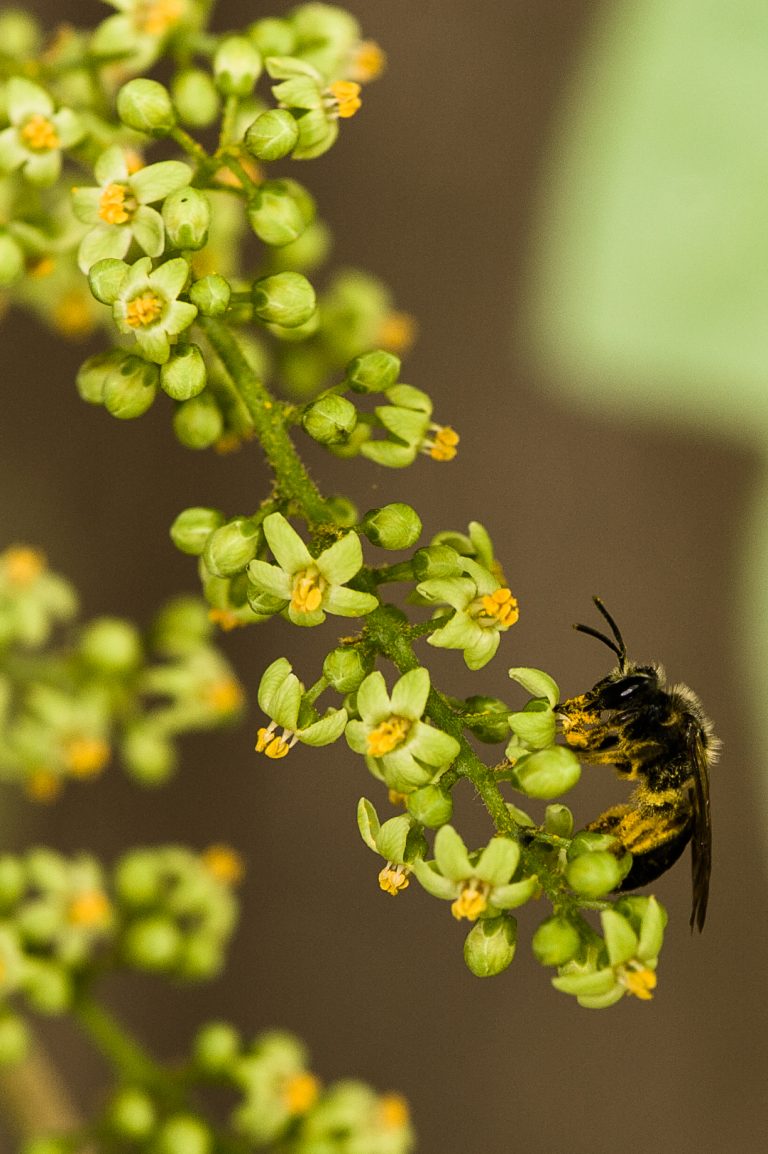
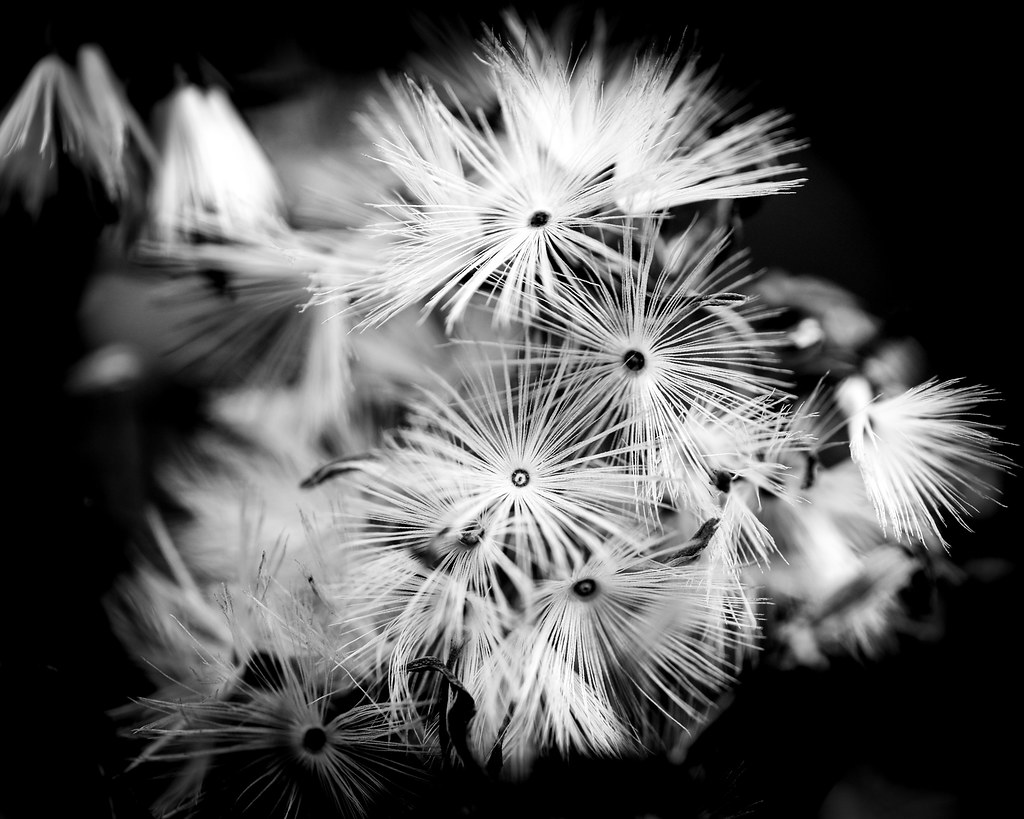
That love is very much still present. The garden is stewarded by the City of Minneapolis and staffed by a dedicated curator who manages plantings across all three distinct ecosystems — wetland, upland woodland, and prairie. There are well over 500 native plant species documented here. Depending on when you visit, you might catch the electric yellow of marsh marigolds in early spring, the deep violet of wild blue indigo in early summer, or the burnished golds of native grasses in autumn. There is genuinely something remarkable happening in every season, including winter, when the garden takes on a spare, sculptural beauty and the bird activity intensifies around the feeders near the main cabin.
The garden is open from April through mid-October, and admission is free, which somehow makes the whole experience feel even more generous. The main path is wide and gently graded, making it accessible for most visitors. Side trails get narrower and a bit more adventurous as they wind into the bog section, where a short boardwalk lets you get out over the water and watch for turtles sunning on logs. Bring decent walking shoes and, if you have them, binoculars — this is one of the finest urban birding spots in the Twin Cities.
Plan to spend at least an hour, though two goes by faster than you would believe. The garden sits within Theodore Wirth Park, so you can easily combine your visit with a walk along Wirth Lake or a stop at the adjacent Wirth Beach. There is free parking right off Glenwood Avenue, and the neighborhood surrounding the park has been investing steadily in trails and green space, making the whole area worth exploring on foot or by bike.
What makes Eloise Butler so affecting, beyond the sheer beauty of the place, is the sense of continuity it carries. Eloise Butler herself planted many of the original specimens here. She lobbied fiercely to protect native plants at a time when very few people were paying attention to that kind of conservation. Walking her trails more than a hundred years later, surrounded by species she helped preserve, feels less like a casual stroll and more like a quiet conversation with the landscape she devoted her life to. That is not something you find every day — and it is absolutely worth your time in Minneapolis.