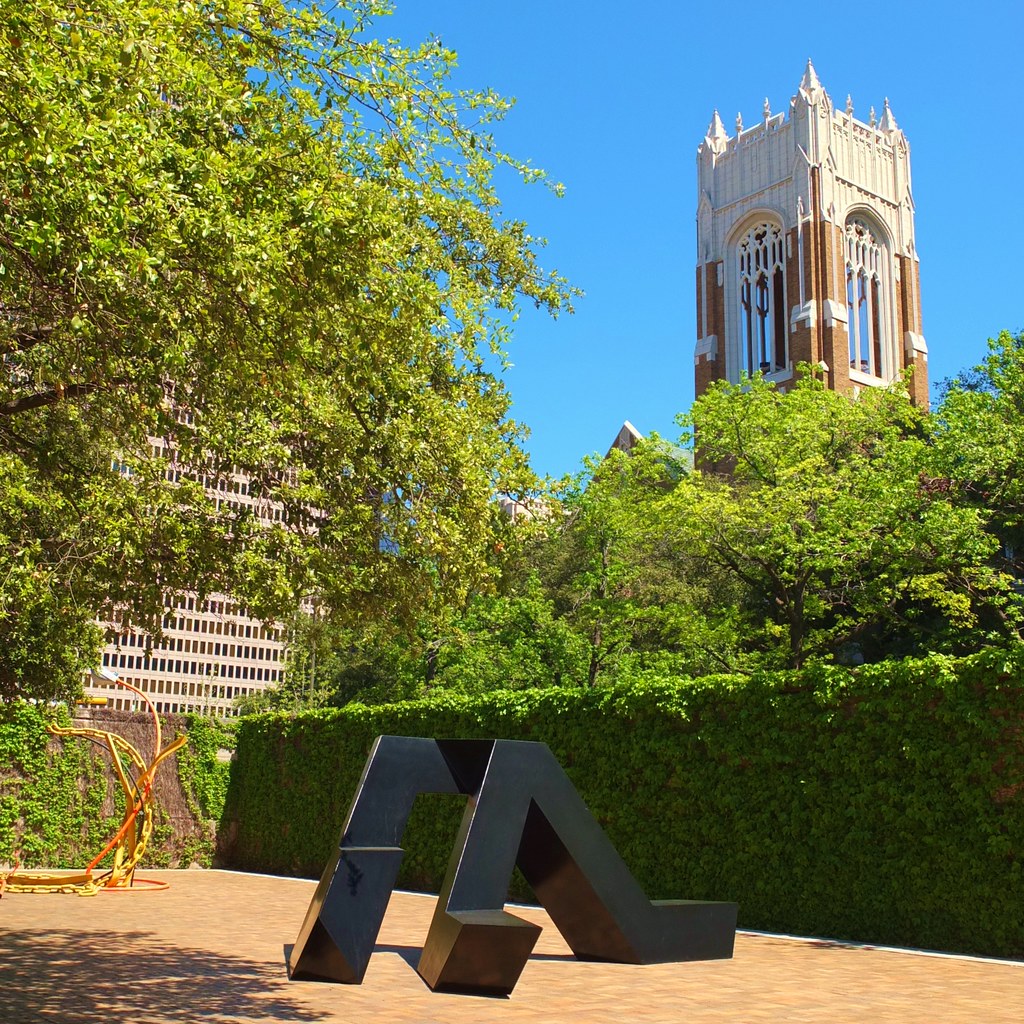
There are museums you visit because you feel like you should, and then there are museums that pull you in off the street and refuse to let you leave until you’ve wandered through ancient Egypt, stood face to face with a Monet, and somehow ended up in a gallery of contemporary African art wondering how you got so lucky. The Dallas Museum of Art, anchored in the heart of the Arts District on Flora Street, is absolutely the latter.
I walked through those iconic geometric bronze doors on a Tuesday afternoon with no particular agenda, and I stayed for nearly four hours. That almost never happens to me. The DMA, as locals simply call it, is one of the largest art museums in the United States, housing a permanent collection of more than 24,000 objects spanning 5,000 years of human creativity. That number sounds overwhelming until you’re actually inside, and the space itself — designed by Edward Larrabee Barnes and expanded over the decades — guides you so naturally from one world to the next that you barely notice the miles your feet are logging.
Start in the ancient Mediterranean and Near East galleries on the lower level. The artifacts here are genuinely jaw-dropping: Greek amphorae, Roman marble busts, Etruscan bronze work. These aren’t reproductions. You are standing inches away from objects that people made and used thousands of years ago, and that intimacy never gets old. From there, wind your way up through European decorative arts, pause in the impressionist galleries where the light seems almost designed to make Monet’s water lilies glow, and then push yourself into the contemporary wing where things get wonderfully strange and thought-provoking.
One of the DMA’s most visitor-friendly features is that general admission to the permanent collection is completely free. Always. There’s no catch, no suggested donation guilt trip at the door. Special traveling exhibitions do carry a ticket price, and they are usually worth every dollar — the museum has hosted blockbuster shows on topics ranging from Cartier jewelry to the ancient Silk Road. Check the website before you go to see what’s currently running.
The museum sits in the Uptown-adjacent Arts District, which means you can pair your visit with lunch or dinner at one of the nearby restaurants along Flora or Ross Avenue. The DMA’s own Sixty Five Roses Café is a pleasant spot for a midday break, and the museum shop is genuinely one of the better ones in the city if you’re hunting for art books, prints, or a distinctive gift.
Weekend programming is particularly lively. Late Night at the DMA on select Friday evenings transforms the galleries into something closer to a social event, with live music, cocktails, and the kind of loose, unhurried energy that makes art feel approachable rather than intimidating. Families will find robust programming for children on weekends as well, with hands-on studio activities that connect directly to what’s on the walls.
What strikes me most about the DMA is how seriously it takes its role as a public institution. The free admission policy isn’t a gimmick — it’s a philosophy. The museum genuinely wants Dallas residents and visitors alike to feel that this collection belongs to them, that these galleries are a place to return to again and again across a lifetime. And honestly, after my four-hour Tuesday afternoon there, I’m already planning my next visit.
If you’re in Dallas and you think a world-class art museum might be slightly out of reach or too formal for your taste, walk through those bronze doors anyway. The DMA has a way of proving you wrong in the most delightful possible way.