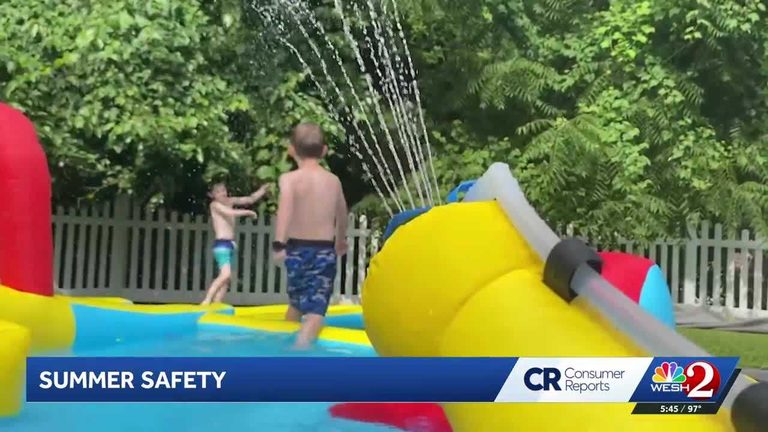
Summer is a time for swimming, bike rides, and outdoor adventures, but it’s also one of the busiest seasons for emergency rooms treating injured children. According to Dr. Darria Long, a board-certified emergency physician and mother of three, prevention is key to a safe summer.
Water Safety
One of the biggest summer safety concerns is water. Dr. Long recommends using multiple layers of protection whenever children are near a pool, lake, or other body of water. This starts with assigning one adult to actively watch children in the water at all times. The designated watcher should avoid distractions, including phones and other screens.
Children who are not strong swimmers should wear a U.S. Coast Guard-approved life jacket instead of relying on inflatable floaties. Additionally, nearly 70 percent of drownings involving young children occur during non-swim times, when supervision may be relaxed.
Bike and Scooter Safety
Summer also means more bikes, scooters, and tricycles. Experts stress that any child riding something with wheels should wear a properly fitted helmet. Because children grow quickly, parents should check helmet fit regularly.
The helmet should sit level on the head, and the straps should be snug enough to keep it securely in place. Consumer Reports also encourages parents, grandparents, babysitters, and other caregivers to refresh their CPR and choking-response skills.
Other Summer Hazards
Another summer hazard that often goes overlooked is open windows. Child safety experts warn that standard window screens are designed to keep bugs out—not children in. Families with young children should consider installing window guards or window stops to help prevent falls.
By taking a few preventive steps, families can help ensure a safer summer. Dr. Long says the goal isn’t to worry about every possible danger, but to focus on the biggest risks that parents can control.
Original reporting: WESH Orlando — read the source article.