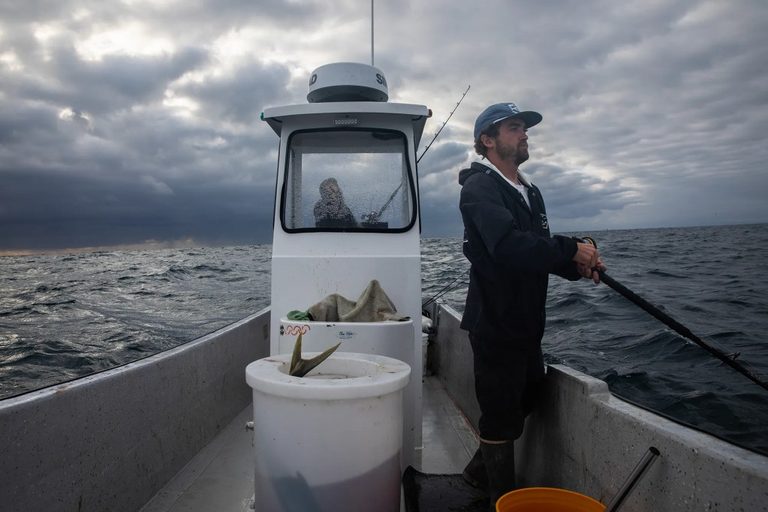
California’s commercial fishing sector is facing a crisis as many of its fishermen are nearing retirement, and few young people are entering the trade. The average age of a commercial fisherman in California is 48, and many captains are looking toward retirement.
Apprenticeship Program
To address this issue, the University of California, San Diego’s Scripps Institution of Oceanography launched a fishing apprenticeship program in 2020. The program provides instruction in key aspects of the fishing trade, including Coast Guard safety protocols, fishing regulations, and conservation. However, the program has also exposed gaps in the industry that prevent fishermen from making a living and discourage newcomers to the trade.
Pay for commercial fishermen across the West Coast has plummeted over the last decade, according to data from the National Oceanic and Atmospheric Administration. Median annual crew pay dropped by about a third, from $90,468 in 2014 to $61,592 in 2024. Captains’ earnings plunged from $173,271 to $108,972 over that period.
Despite its coastal locale, San Diego’s fishing industry and seafood supply are more tenuous than you might imagine. At least two-thirds of the seafood that Americans eat is imported, and some estimates paint an even bleaker picture. In a 2016 report, a coastal specialist estimated that just 10% of seafood consumed in the city of San Diego comes from local fishermen.
Challenges Facing the Industry
The fishing industry in California faces several challenges, including complex regulations, economic hurdles, and a graying fleet. The industry is also struggling to compete with less regulated fisheries, which can offer cheaper seafood. To sustain locally caught seafood and backfill the declining ranks of California’s fishing fleet, the Scripps apprenticeship program is working to train new commercial fishermen.
However, the program has faced challenges in finding captains willing to mentor graduates. Some captains worry about losing time showing beginners the ropes, and the insurance cost of taking on a new crew member can be prohibitive. For apprentices, it’s unsteady gig work, with pay depending on the size of the haul.
Original reporting: Voice of San Diego — read the source article.