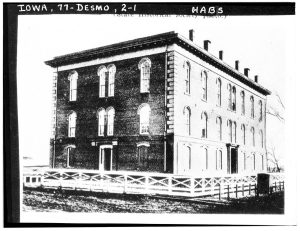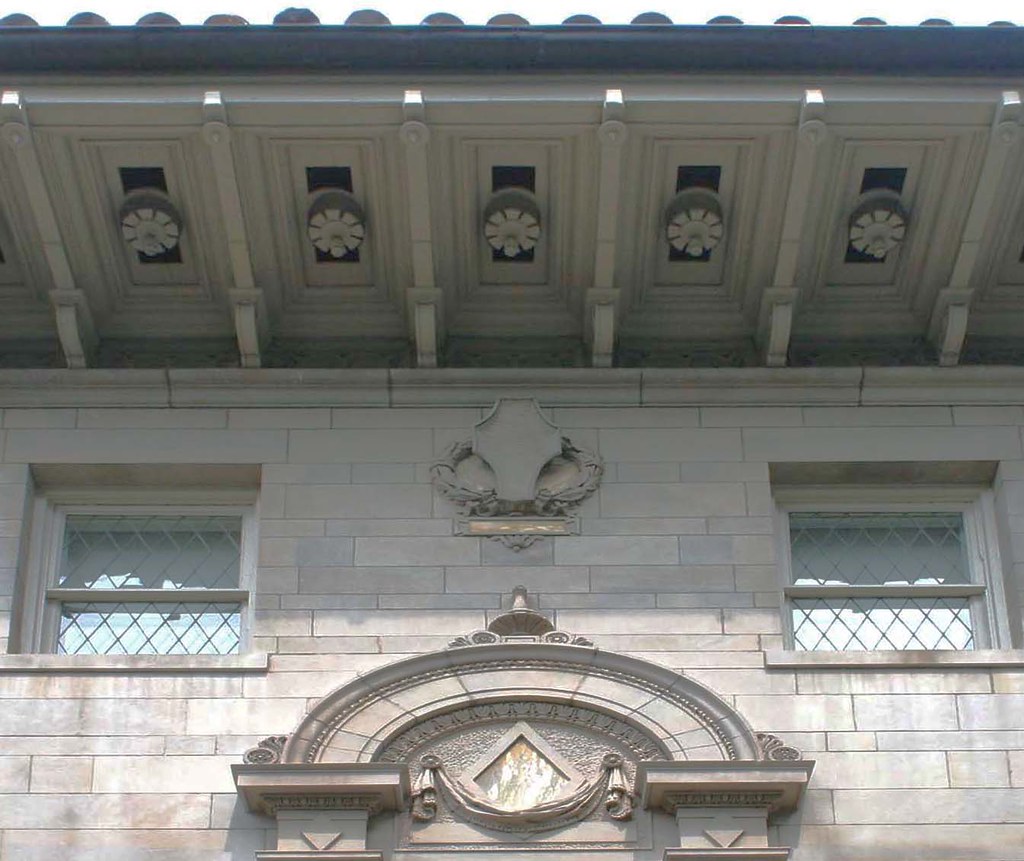
There is something quietly thrilling about walking into a building and feeling a whole region’s story wrap itself around you. That is exactly what happens the moment you step through the front door of the Georgetown County Museum, tucked along Screven Street in the heart of Georgetown’s historic downtown. It is one of those places that rewards the curious traveler who slows down long enough to actually look — and I mean really look — at the threads that wove this corner of South Carolina into existence.
Georgetown County is one of the oldest settled regions in the American South, and the museum does a remarkable job of honoring that deep, complicated, and endlessly fascinating history without glossing over any of it. The collections span thousands of years, beginning with the Indigenous peoples who called this landscape of rivers, marshes, and sea islands home long before European ships appeared on the horizon. From there, the story moves through the Spanish and English colonial periods, the brutal era of rice-plantation slavery that made Georgetown the wealthiest county per capita in pre-Revolutionary America, the Civil War and its aftermath, and on into the twentieth century.
What makes this museum stand apart from a simple timeline on a wall is the texture of its artifacts. You will find original documents, tools, household objects, clothing, and photographs that place genuine human lives at the center of the narrative. A faded ledger from a rice plantation is not just a relic — it is a window into an economic system that reshaped an entire landscape and the lives of thousands of enslaved people. The museum treats these stories with the weight and dignity they deserve, and visitors leave better informed and more thoughtful for it.
The building itself sits in a neighborhood dense with antebellum architecture, so you are already surrounded by living history before you even buy your ticket. Budget at least ninety minutes to move through the exhibits properly, though two hours is better if you tend to linger over photographs and read every caption — which you absolutely should. The staff are genuinely knowledgeable and enthusiastic, and if you catch one of them in a conversation about local genealogy or the indigo trade, consider yourself lucky.
Admission is very affordable, making this an easy add to any Georgetown itinerary. Combine it with a stroll along the nearby streets of the historic district, grab lunch somewhere downtown, and you have yourself a near-perfect afternoon. Georgetown is the kind of town that reveals itself in layers, and the Georgetown County Museum is one of the very best places to start peeling them back.
Whether you are a history devotee, a casual sightseer, or someone dragging a skeptical travel companion along for the ride, this museum has a way of making everyone lean in a little closer. That, more than anything, is the mark of a place genuinely worth your time.