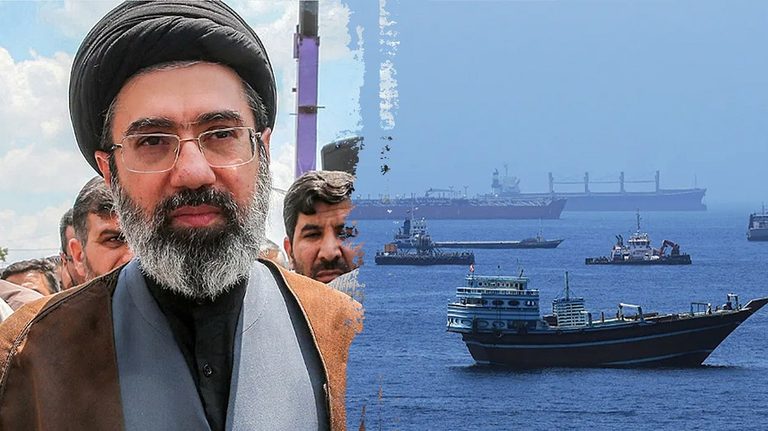
The United States and Oman are developing a new southern shipping corridor to reduce dependence on the Strait of Hormuz, which is currently controlled by Iran. This move is seen as a strategic effort to limit Iran’s influence in the region.
Background
For decades, Iran has used its control of the Strait of Hormuz to exert influence over the region. However, with the new southern corridor, the US and its Gulf allies aim to create an alternative route for commercial shipping, thereby reducing Iran’s leverage.
According to maritime intelligence firm Windward, nearly half of inbound commercial traffic through the strait is already using the new southern corridor. This shift is expected to continue, with Saudi Arabia and the United Arab Emirates investing in pipelines and export capacity to bypass Hormuz.
Implications
The development of the new shipping route has significant implications for the region. Iran’s ability to threaten shipping through the Strait of Hormuz has given it considerable influence, but this advantage is now under pressure. The US and its Gulf allies are working to create a more stable and secure environment for commercial shipping, which could ultimately reduce Iran’s control over the strait.
Original reporting: Fox News (HLL/CB) — read the source article.