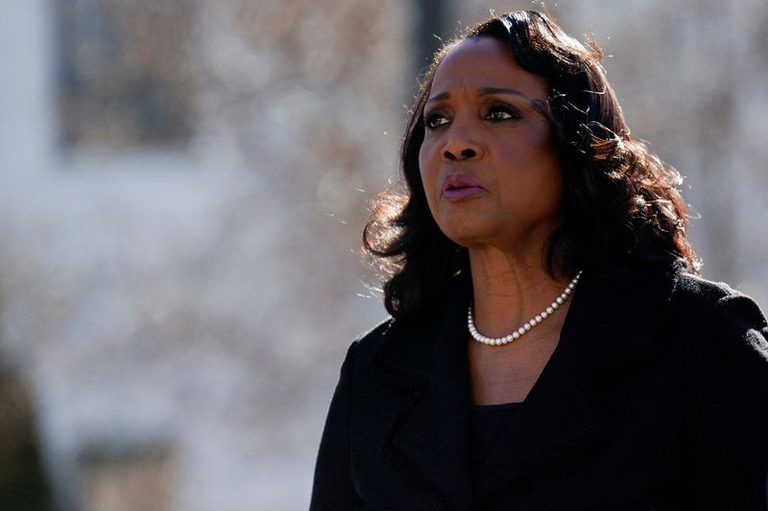
The US Supreme Court has rejected President Trump’s attempt to fire Federal Reserve Governor Lisa Cook, citing a lack of procedural protections. The court’s 5-4 ruling preserves the central bank’s independence and prevents the president from removing a Fed official without proper cause.
Background
The case began when Trump attempted to fire Cook in August 2025, citing unproven mortgage fraud allegations. Cook denied the allegations and argued that the president’s actions were an attempt to remove her for monetary policy differences.
The Federal Reserve Act of 1913 requires that governors be removed only ‘for cause,’ but does not define what constitutes cause. The court’s ruling establishes that the president must provide procedural protections to governors before removing them, including notice and a hearing.
Implications
The ruling has significant implications for the Federal Reserve’s ability to set interest rates without regard to political pressure. As a Fed governor, Cook plays a crucial role in setting US monetary policy, and the court’s decision ensures that she can continue to do so independently.
The case is part of a broader trend of Trump testing the limits of presidential power. The Supreme Court has allowed many of Trump’s policies to go ahead, but has also pushed back on some of his more aggressive actions.
Original reporting: Appleton, WI News Feed (HLL/CB) — read the source article.