There’s a moment, maybe twenty minutes into the Riverbottom Trail, when the city simply disappears. The highway noise fades, the skyline vanishes behind a curtain of cottonwood and pecan trees, and all you can hear is the Trinity River threading quietly through the floodplain below. That moment is why I keep coming back to the Fort Worth Nature Center & Refuge — and why I think every Dallas visitor who craves something beyond rooftop bars and museum lobbies should make the short drive west on I-30 to experience it.
Technically, yes, this treasure sits just outside the Dallas city limits in Fort Worth — about 35 minutes from Downtown Dallas — but the DFW Metroplex is one big backyard, and this 3,600-acre refuge is arguably the finest wild space within easy reach of either city. The Nature Center sits along the northwestern shore of Lake Worth, and its sheer scale still surprises people. You are not walking a manicured city park. You are stepping into one of the largest urban wildlife refuges in the entire United States, a functioning tallgrass prairie and bottomland hardwood ecosystem that has been carefully protected since 1964.
The trail network is the main draw, and it does not disappoint. Over 20 miles of well-marked paths wind through distinct habitats — open prairie, dense riparian woodland, and quiet lake shoreline. The Riverbottom Trail is my personal favorite, a roughly 2.5-mile loop that drops you into the floodplain forest where century-old bur oaks create cathedral ceilings of shade. Spring visits reward you with wildflower explosions across the Greer Island peninsula. Fall brings incredible foliage, something Dallas-area residents are not always accustomed to seeing so close to home.
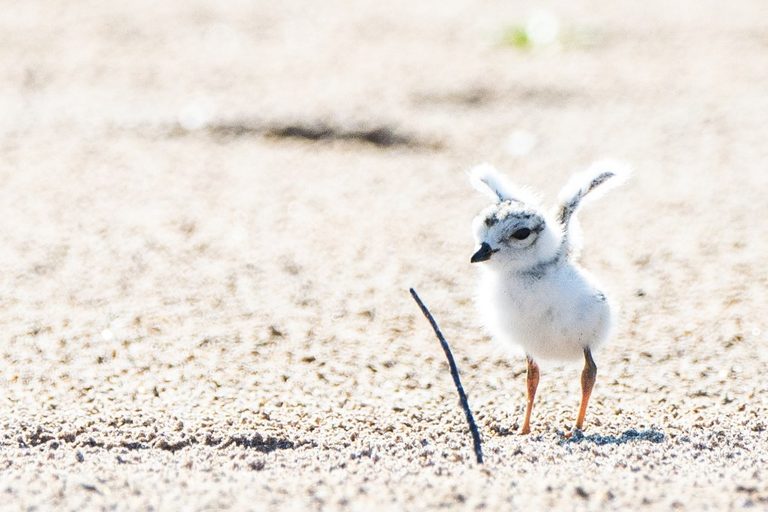
Then there are the bison. The refuge maintains a free-roaming bison herd on the western prairie sections, and spotting them grazing against a big Texas sky is the kind of sight that stops you cold and reminds you just how spectacular this region was before the concrete arrived. White-tailed deer, great blue herons, armadillos, and wild turkey are equally common sightings. Birders specifically should not miss this place — over 325 species have been recorded here across the seasons.
The visitor center near the entrance is small but well-curated, with helpful staff who can point you toward the best current wildlife activity zones. Admission is genuinely affordable — just a few dollars per vehicle — and the parking areas are clean and well-organized. Dogs on leashes are welcome on most trails, which makes this an ideal outing for families traveling with pets.
Plan to arrive early on weekend mornings, especially in spring and fall. The refuge draws a loyal local following, and the trailheads can fill up by mid-morning. Pack water, wear sturdy shoes, and give yourself at least three hours to do it justice. Bring binoculars if you have them. Bring a picnic if you are feeling ambitious — there are quiet spots near the lake that feel a thousand miles from the nearest taco truck.
If your image of a Dallas trip is all neon signage, BBQ smoke, and concrete corridors, the Fort Worth Nature Center & Refuge is the gentle correction you did not know you needed. It is raw, peaceful, surprisingly beautiful, and completely free of pretension. That combination is rarer than you might think, and worth every mile of the drive.