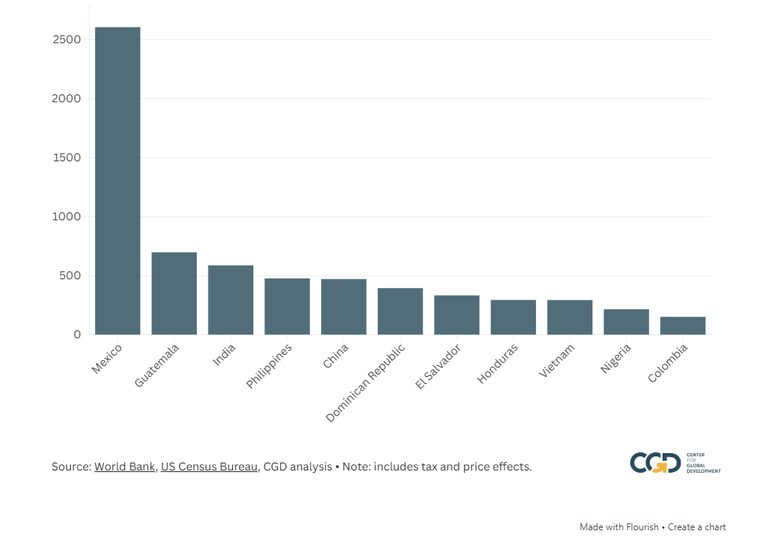
In Bridgeport, Connecticut, many immigrant families rely on remittances to support their loved ones back home. However, a new 1 percent excise tax on these transactions may worsen the economic situation for these families. According to the World Bank, migrant workers transferred over $685 billion into low and middle-income countries in 2024, surpassing foreign direct investment and international development assistance.
Impact on Families
The tax, part of President Trump’s One Big Beautiful Bill Act, affects an estimated 48 million foreign-born individuals. It falls hardest on cash transactions, which are often used by people without bank accounts. This tax may push families toward less transparent channels, increasing the cost of transferring money internationally.
The Inter-American Development Bank reports that Latin America and the Caribbean received approximately $161 billion in remittances during 2024, with Mexico receiving about $68 billion. The tax could lead to a loss of over $1.5 billion per year for Mexico and roughly 0.6 percent of El Salvador’s national income.
A Better Alternative
Instead of taxing remittances, the federal government could lower the cost of transferring money internationally. This would give people greater access to the banking system and treat remittances as a development tool. By doing so, the government can support the economic strength of these countries and reduce the root cause of immigration.
Original reporting: The Connecticut Mirror — read the source article.