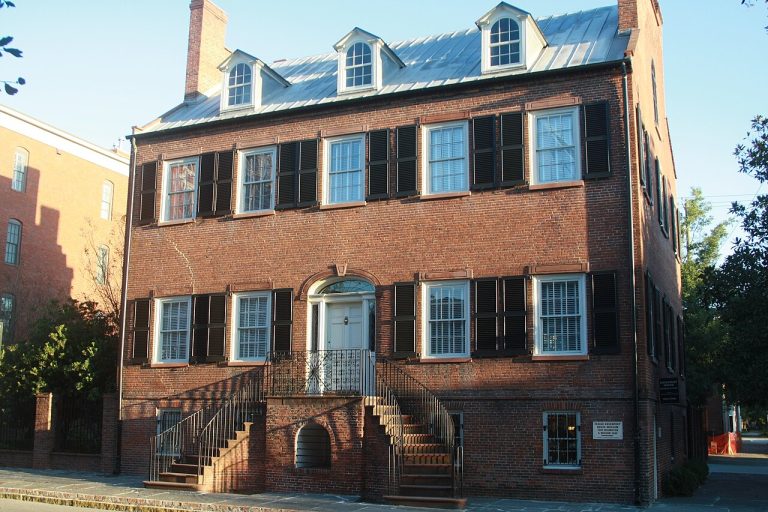
Tucked quietly into a residential stretch of West 15th Street in central Plano, the International Museum of Cultures is the kind of place that sneaks up on you. You walk in expecting a modest afternoon diversion and walk out two hours later having traversed the Amazon basin, the highlands of Papua New Guinea, and the tundra villages of the Arctic — all without leaving North Texas. It is genuinely one of the most underrated cultural gems in the entire Dallas-Fort Worth area, and the fact that more people aren’t talking about it is both a mystery and an opportunity for those of us who love a good discovery.
The museum was founded by SIL International, a linguistic and cultural research organization that has been documenting endangered languages and indigenous cultures around the world since the 1930s. What that means for visitors is an extraordinary depth of authenticity. These aren’t generic dioramas assembled from stock imagery. The artifacts, textiles, tools, instruments, and everyday objects on display were collected by researchers who actually lived among the communities they studied — people who spoke the languages, ate the food, and understood the significance of every carved figurine and hand-woven basket. That context changes everything about how you engage with what you’re seeing.
Walk through the permanent galleries and you’ll encounter an astonishing range of human ingenuity. There are intricate beaded garments from sub-Saharan Africa, ceremonial masks from the Pacific Islands, and navigational tools from cultures that mapped the open ocean by memory and star. One of the most compelling sections explores how different societies communicate — not just through spoken language, but through gesture, symbol, weaving patterns, and oral tradition. It reframes the very idea of what language means, and it does so in a way that feels accessible rather than academic.
The museum is intentionally small and unhurried, which is part of its charm. There are no overwhelming crowds, no timed entry windows, no sensory overload. Families with curious kids will find the exhibits engaging without being overwhelming, and adults who simply want to spend a quiet hour expanding their worldview will leave deeply satisfied. The staff are warm, knowledgeable, and genuinely enthusiastic about sharing what’s on display.
Admission is affordable — one of the best cultural values in Plano — and the museum is easy to pair with lunch at one of the many independent restaurants along nearby 15th Street or in the Historic Downtown Plano district just a short drive away.
If you have ever stood in a world-class ethnographic museum overseas and thought, “I wish we had something like this at home” — well, Plano does. You just may not have found it yet. Consider this your invitation.