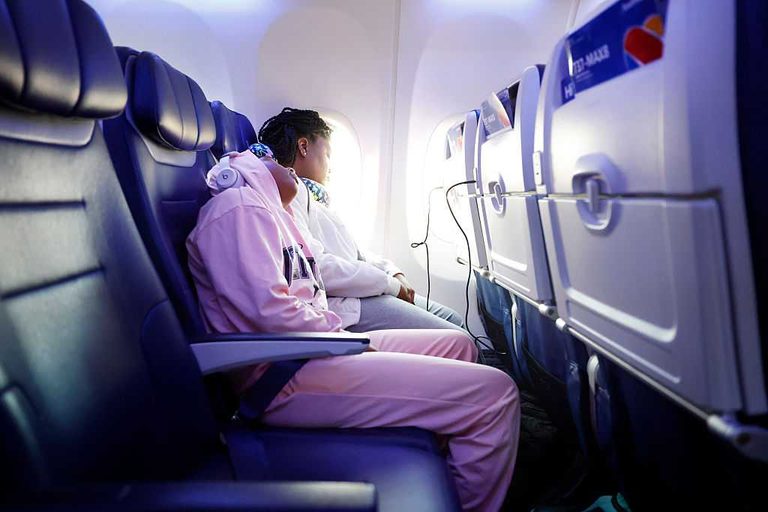
Summer is the season of travel, but crossing time zones can take a toll on your sleep and vacation. Michelle Drerup, director of behavioral sleep medicine at the Cleveland Clinic, explains that jet lag is a temporary disruption of your body’s internal clock.
Pre-Trip Preparation
Drerup recommends getting adequate sleep leading up to the trip. If traveling east, a sleep shift may help, but it can get complicated. Instead, focus on staying hydrated, drinking plenty of fluids, and limiting alcohol, which can worsen sleep quality and dehydration.
Be careful with caffeine, as it’s a temporary solution that may make sleep more difficult later. If flying overnight, sleep as much as possible on the plane, and if arriving in the morning, avoid napping. Stay active and seek sunlight to help reset your circadian clock.
Adapting to Local Schedule
When arriving at your destination, adapt to the local schedule as much as possible. There are several free online jet lag calculators that can provide a personalized itinerary for your trip, offering insights on when to seek light and when to sleep. Melatonin can sometimes help, but timing and dosage vary based on the destination and individual.
Original reporting: WPBF (Treasure Coast / Hearst) — read the source article.