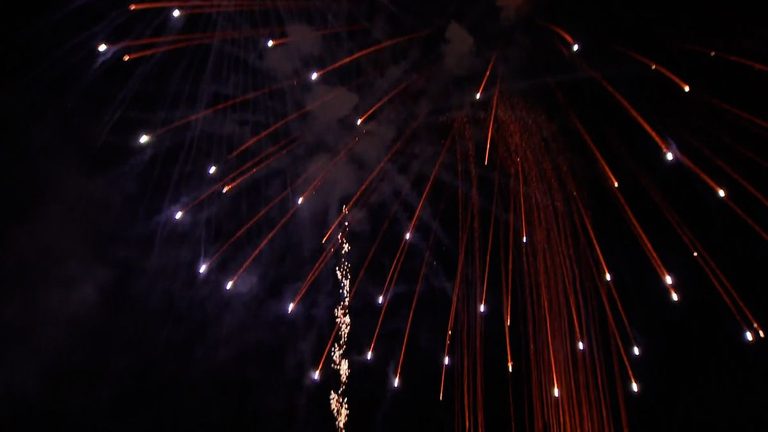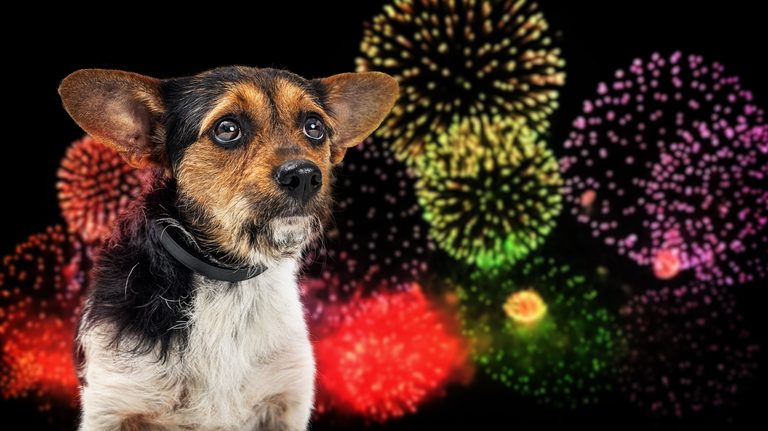
Loud fireworks and raucous holiday parties can easily spook pets on the Fourth of July, and animal-advocacy groups regularly urge people to protect their furry friends on the holiday to ensure they don’t run away and wind up in shelters.
Protecting Your Pets
Dogs and cats can escape from small openings in houses and fenced yards in search of a safe place and may be injured in traffic or wind up in a crowded local shelter, officials warned.
Animal-care experts offered a series of tips aimed at protecting pets: Owners who do lose their pets, despite all precautions, are urged to quickly post signs in the neighborhood and go to the city or county animal shelter nearest to where the animal was last seen with a photo and detailed information about the dog or cat.
It is important to consider that fireworks oftentimes kick off days before the actual holiday. Starting your routine several nights before July 4 can be a helpful trick so your pet knows where their safe space is and what to expect.
In big cities that host major July 4th fireworks shows, including New York City, Washington, D.C., Boston, Chicago, Los Angeles, San Francisco, Philadelphia and Seattle, the noise can be especially overwhelming for pets. High‑altitude shells echo between buildings, creating sharper booms and longer reverberations than neighborhood fireworks.
Keeping pets indoors and far from waterfronts, bridges, parks, and other popular viewing zones is key, since those areas get extremely loud and crowded. Planning walks and bathroom breaks well before the show begins also helps avoid early test blasts and the crush of spectators.
It’s not just cats and dogs that react to fireworks; horses, livestock, rabbits, birds and other pets can be easily startled by sudden booms and flashes.
Large animals like horses are safest in familiar stalls or paddocks with secure fencing, since panic can lead to bolting or injury. Smaller pets, including rabbits and birds, should be moved to interior rooms and kept away from windows, with cages partially covered to dim the light and soften the noise.
No matter the species, creating a calm, enclosed environment and checking on them periodically can help prevent stress‑related accidents.
Original reporting: NBC10 Boston — read the source article.