Dallas gets a global spotlight when the 2026 FIFA World Cup kicks off on June 11, with Dallas Stadium set to host nine matches including a semi-final, Fair Park rolling out a free fan fest for supporters, and the George W. Bush Presidential Center opening a new soccer exhibit as local authorities tighten security around the city.
The World Cup arrival feels immediate here; stadium staff, city officials and local venues are shifting into high gear to handle the flood of fans. Dallas Stadium will be one of the tournament’s busiest stops, and that kind of schedule brings both excitement and a long list of logistics to sort. Residents and visitors should expect a steady stream of events, heightened security checkpoints and plenty of public activity in and around the venue.
Hosting nine matches, including a semi-final, puts Dallas Stadium in the spotlight not just for the city but for the region. That level of play attracts international travelers, media crews and high-profile teams, all of which magnifies traffic and demand for amenities. Stadium operations will need careful coordination with transportation, hospitality and public safety teams to keep things moving smoothly.
Fair Park’s decision to offer a free fan fest creates a communal hub where locals and visitors can soak up the tournament atmosphere without buying a ticket to a match. Expect big screens, music, food vendors and family-friendly activities that mirror the energy inside the stadium but on a more relaxed scale. The fan fest is designed to be a magnet for people who want to celebrate the sport, catch highlights and enjoy a community vibe between games.
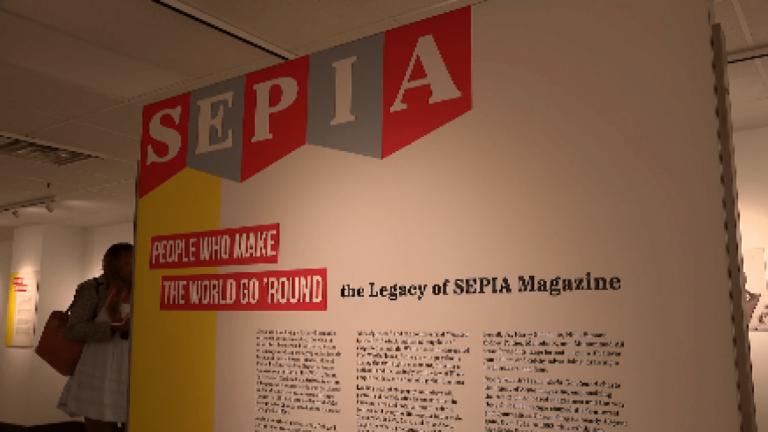
The George W. Bush Presidential Center joining the festivities with a soccer exhibit adds a cultural layer to the event, blending sport, history and education. Exhibits like this give visitors a chance to see the game through different lenses—its global influence, its ties to diplomacy and the way it shapes communities. It’s a smart move for a presidential center to tap into a global event and offer programming that stretches beyond the field.
Public safety will be front and center as the city prepares for a heavier crowd presence across downtown and event corridors. Local law enforcement, private security and event organizers will coordinate to manage access, screen entrances and keep traffic patterns clear. For residents, that means more patrols and some temporary restrictions around high-traffic zones, but it also means officials are working to keep fans safe and events running without major disruptions.
Travelers should plan ahead: expect boosted public transit schedules, designated ride-share pick-up areas and temporary road closures near major venues. Hotels and restaurants in Dallas will likely sell out fast for key match dates, so reservations and early bookings are practical moves. For those living within event zones, clear communication from city agencies will be crucial to navigating any short-term changes to daily routines.
Local businesses have a strong stake in the World Cup’s local footprint, with restaurants, bars and retail outlets poised to benefit from the surge in visitors. Pop-up markets and special promotions tied to match days will be common, and many establishments will craft schedules and menus to cater to international tastes. The economic upside is real, but it also demands staffing adjustments and supply planning to handle sharp spikes in customer flow.
Volunteers and community groups often make these large-scale events work, and Dallas is no exception; neighborhood organizations will be part of the welcome effort. They’ll staff information booths, help guide visitors and support language and accessibility needs across festival sites. That grassroots energy helps transform a professional sporting event into a citywide celebration that feels inclusive and energetic.
For sports fans who aren’t heading into the stadium, the fan fest at Fair Park offers a prime alternative: free, open and packed with screens and activities to follow every match. It’s a chance to be part of the action in a public space, cheer with other fans and experience the tournament’s highs and lows without the full stadium expense. Meanwhile, the presidential center’s exhibit gives curious visitors another reason to explore Dallas beyond the games themselves, spotlighting soccer’s broader cultural impact.