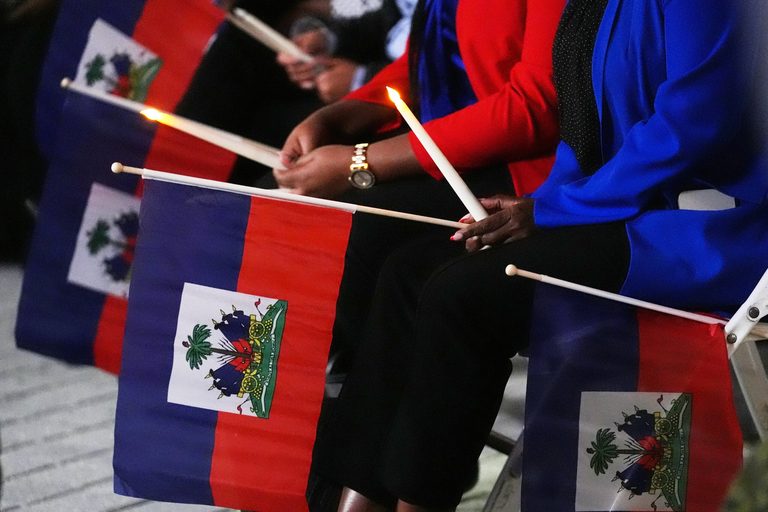
A recent Supreme Court ruling has ended legal protections for migrants fleeing violence and natural disasters in Haiti and Syria, leaving hundreds of thousands of people, including many in the US, facing the prospect of deportation.
Local Impact
In Kentucky, a 35-year-old nurse, who is a single mother of four, is preparing for the worst. She has named a legal guardian for her children and transferred her properties into their names, fearing she may be deported back to Haiti, a country she fled at the age of 9.
Many Haitians in the US have been living and working here for decades, with some holding jobs in caregiving roles, such as nursing. The Supreme Court’s decision has caused fear and uncertainty among these communities, with many wondering if they will be able to continue working and living in the US.
Background
Temporary Protected Status (TPS) was created in 1990 to prevent deportations to countries deemed dangerous due to disasters, civil war, or other violence or instability. The Biden administration had roughly doubled the number of people covered by TPS, but the Trump administration ended those protections, insisting they were meant to be temporary and that the countries are now safe.
The Supreme Court’s ruling has been met with concern from many in the Haitian community, who fear for their safety and well-being if they are deported back to Haiti. The country has been plagued by gang violence and instability, with many people displaced and living in poverty.
Original reporting: WTVQ (Lexington) — read the source article.