Researchers at UT Southwestern Medical Center in Dallas are working on a vaccine to target cancers that have metastasized. Meanwhile, a study published in the Journal of Clinical Oncology found that a personalized cancer vaccine led to a 49% reduction in cancer recurrence when used with standard immunotherapy treatment.
What are Cancer Vaccines?
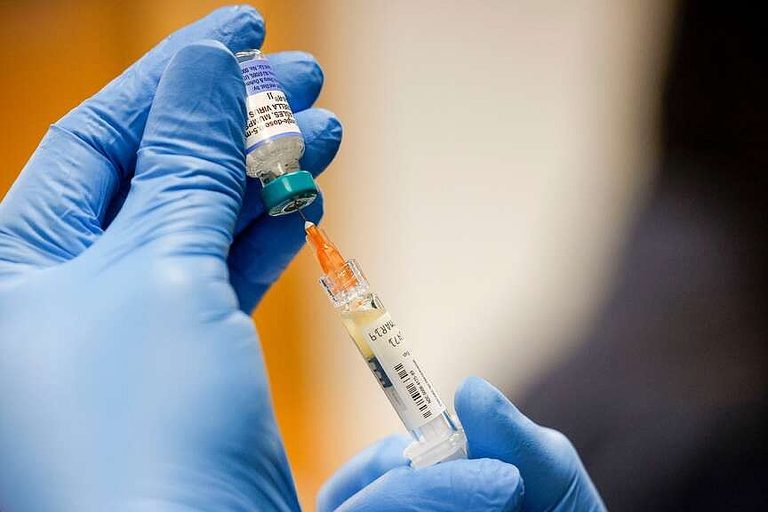
Most people think of vaccines as preventive, but therapeutic vaccines are designed to be given after a cancer diagnosis to destroy any cancer cells already present. These vaccines aim to activate the body’s natural defenses and restore the immune system’s ability to recognize and eradicate cancer cells.
Therapeutic vaccines are challenging to develop due to the accumulation of genetic mutations in cancer cells and the fact that cancer cells are not foreign to the body. However, researchers are making progress, with one study showing that a personalized vaccine can be developed in just six weeks.
Current Cancer Vaccine Research
Researchers at NYU Langone Health and UT Southwestern Medical Center are exploring different approaches to cancer vaccine development. The NYU Langone Health study used a customized mRNA vaccine to target specific proteins in each patient’s tumor, while the UT Southwestern team is working on a nanovaccine that can identify tumors based on characteristics like acidity and low oxygen levels.
The nanovaccine works by exploiting an alarm system in cells called STING, which detects abnormal DNA and triggers an immune response. Preclinical trials have shown promising results, with the nanovaccine effective in eradicating primary tumors and metastatic cancer in mice.
Original reporting: Texarkana Gazette — read the source article.