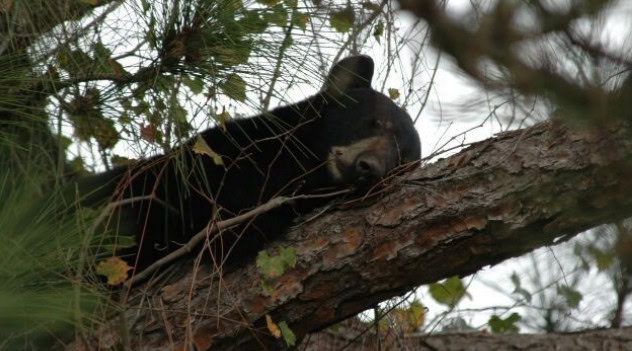
As young black bears leave their mothers’ home ranges, they are increasingly finding themselves in suburban and urban areas across Florida. State wildlife officials are warning residents to be aware of these juvenile bears and to take steps to secure their properties to prevent attracting them.
Bear Safety Tips
The Florida Fish and Wildlife Conservation Commission (FWC) emphasizes the importance of eliminating food attractants, such as unsecured trash and pet food, to discourage bears from staying in an area. Residents are also advised to keep their distance and not approach or feed the bears.
Property owners can take several steps to secure their properties, including keeping food and garbage bins fully secured, taking down bird feeders during times when bears are actively roaming, and thoroughly cleaning and storing outdoor grills and smokers after use.
Pet safety is also a major concern during this time of year, as bears can become defensive if they feel cornered or threatened. Dog owners are advised to keep their pets close and use a non-retractable leash while walking them, and to be aware of their surroundings.
Drivers are also warned to be cautious, especially on rural highways during dawn and dusk hours when visibility is low. The FWC recommends slowing down and keeping an eye out for official bear crossing signs.
For residents who are dealing with ongoing bear conflicts on their property, the FWC provides resources and support. The FWC Bear Management Program Coordinator, Mike Orlando, stresses the importance of giving juvenile bears plenty of space and not approaching or feeding them.
Florida is one of 45 states that actively supports BearWise, an initiative designed to help human communities coexist responsibly with bear populations. Residents who want to support these conservation efforts can purchase a specialized Conserve Wildlife license plate online.
Original reporting: Tampa Free Press — read the source article.