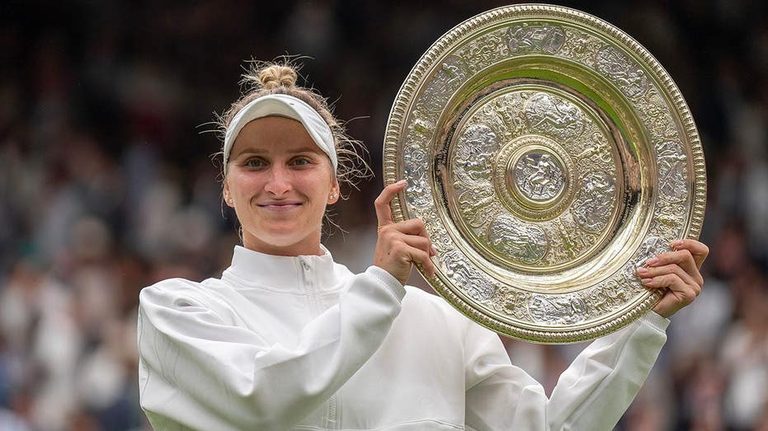
Marketa Vondrousova, the 2023 Wimbledon champion, has been handed a four-year ban from tennis for refusing an after-dark anti-doping test in December. Vondrousova, who has never failed a drug test, refused to open her door to the doping control officer due to concerns over her personal safety.
Concerns Over Safety
Vondrousova stated that she was scared and alluded to the in-home knife attack of her compatriot Petra Kvitova in 2016, which left Kvitova with serious injuries and a lengthy absence from competition. She further stated that at the time she had suffered an acute stress reaction and generalized anxiety disorder, which impaired her decision-making capabilities.
Supporters of the ban argue that rules are rules, and that anti-doping officers can and do show up at inconvenient hours to perform invasive and uncomfortable tests. However, critics argue that a four-year ban is excessive, especially considering Vondrousova’s negative test result just three days after her refusal.
The International Tennis Integrity Agency (ITIA) CEO Karen Moorhouse stated that the reason for the ban is to prevent athletes from refusing tests and then being retested later. However, many are questioning whether the maximum penalty serves justice as well as deterrence in this case.
Call for Reconsideration
Instead of dismissing valid concerns over personal safety, the ITIA should consider enhanced identification procedures, advance verification mechanisms, or accompaniment protocols for after-dark testing visits. The ITIA should prioritize the safety and well-being of athletes, rather than strictly adhering to a policy that may not serve its purpose in this case.
Original reporting: Fox News (HLL/CB) — read the source article.