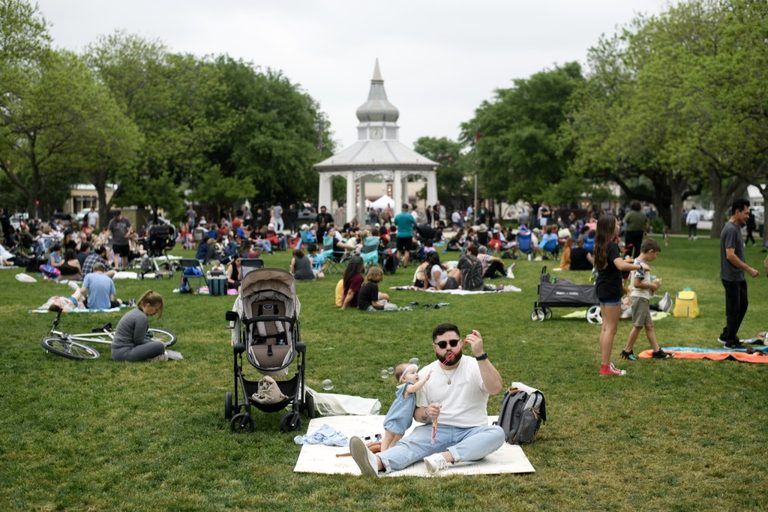
Texas had the highest fertility rate among large states like California, Florida, and New York in 2025, with about 58 live births for every 1,000 women of childbearing age, according to Census data.
Falling Fertility Rate
However, the state’s fertility rate has fallen for nearly two decades, mirroring a global trend of declining births. Experts attribute this decline to factors such as the high cost of living and a meager safety net for would-be parents.
Expanded access to contraception and sex education has driven down birth rates, allowing women to stay in the workforce and have children later in life. Americans are getting married later and having fewer children, if they choose to have them at all, and are prioritizing financial security.
According to Elizabeth Gregory, who leads the University of Houston’s Institute for Research on Women, Gender and Sexuality, creating an environment that supports families is crucial to encouraging people to have children.
Urban Areas and Birth Rates
Texas’ urban areas have higher birth rates than other large metros, with Dallas, Harris, and Tarrant counties having the three highest birth rates as of July 1, 2025.
Out of the state’s 25 most populous counties, 10 exceed the state’s fertility rate, including Hidalgo, Webb, Bell, Cameron, Jefferson, Dallas, Nueces, McLennan, Smith, and Harris.
While other states have higher fertility rates than Texas, including South Dakota, Nebraska, Kentucky, Alaska, and Oklahoma, none are exempt from declining birth rates.
Original reporting: Texas Tribune (HLL/CB) — read the source article.