Vermont Governor Phil Scott signed a bill to reduce the average increase in statewide education property tax bills from 12% to around 3.5% next year. The bill uses $100 million in surplus taxpayer funds to accomplish this reduction.
Background
The projected 12% increase in average bills was driven by higher school spending, rising health insurance and energy costs, inflation, and other factors. In 2025, Governor Scott and lawmakers used $118 million to reduce the statewide property tax increase from 6% to 1%.
NFIB VT applauds Governor Scott and the bipartisan group of lawmakers who agreed with the governor’s call for a major buy down. However, the path to property tax stability or savings becomes far murkier without a foundation formula or other model that caps the state’s funding liability.
Long-term Reform
Last year, Governor Scott and a bipartisan group of lawmakers agreed on a package (Act 73) aimed at long-term structural reform to stabilize property taxes and reduce education costs while improving educational outcomes. This year, lawmakers backed off Act 73’s mandatory school district consolidation plan after a mapmaking committee failed to agree on a plan last fall.
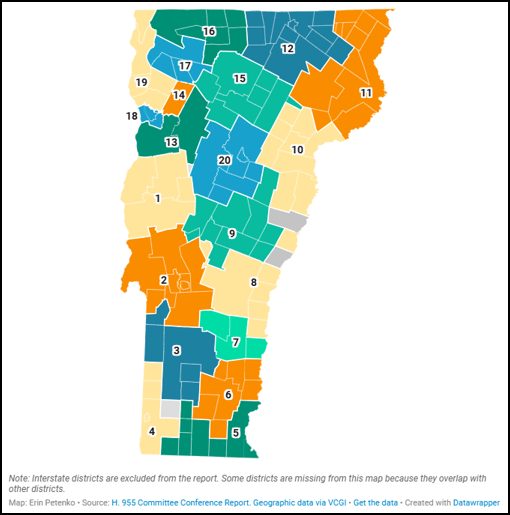
Instead, school districts and unions are grouped into 20 regional committees for the purpose of discussing voluntary mergers. Act 170 mandates a range of considerations that must be taken into account by the voluntary merger committees. By September 1, 2027, the voluntary merger committees are required to complete their discussions and submit a report to the state and each school district in the region outlining consolidation decisions.
Original reporting: NFIB (National Federation of Independent Business) — read the source article.