There are places you visit and forget by the time you hit the highway home, and then there are places that quietly rearrange the way you think about a region. The Fabian Garcia Science Center on the New Mexico State University campus sits firmly in that second category. It is the kind of destination that sneaks up on you — you come for a quick look at some pepper plants and leave two hours later buzzing with stories about how a single agricultural crop shaped an entire culture and economy across the American Southwest.
The center is named for Fabian Garcia, the pioneering NMSU horticulturist who in the early twentieth century developed the first standardized chile pepper varieties, most famously New Mexico No. 9, the genetic grandfather of the modern Hatch green chile that has become synonymous with this corner of the world. Walking the grounds here is walking through living agricultural history, and that is not a phrase I use lightly.
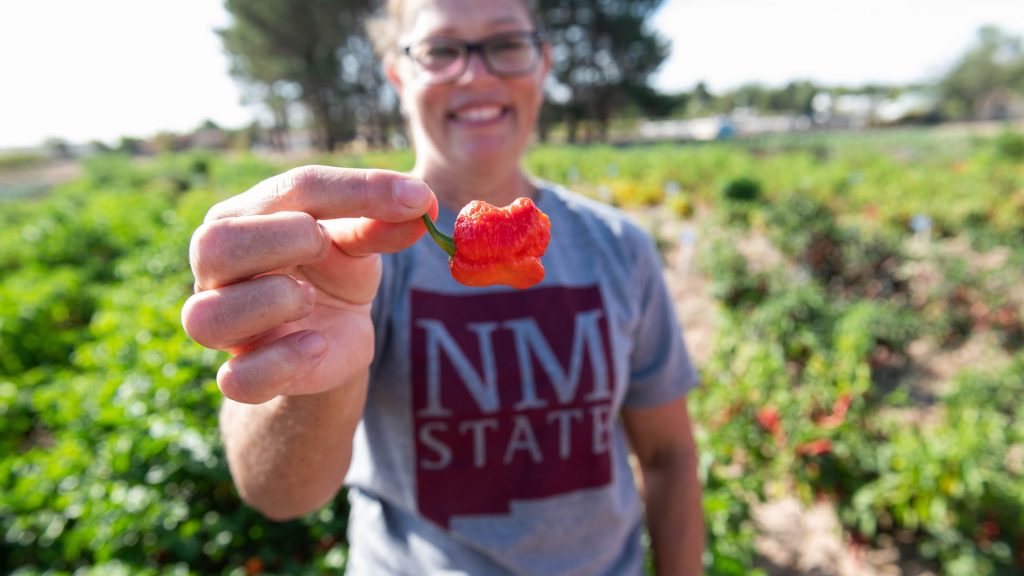
The crown jewel is the Heritage Chile Pepper Garden, a meticulously maintained outdoor collection that showcases hundreds of chile varieties from across the globe — from delicate Italian sweets to jaw-melting superhots, and of course the full spectrum of New Mexico landrace varieties that have been grown along the Rio Grande for centuries. Neat rows of plants stretch out under that enormous Chihuahuan Desert sky, labeled with names and heat ratings so you can nerd out at your own pace. During the summer growing season, the colors alone are worth the trip: fire-engine reds, waxy yellows, deep purples, and every shade of green imaginable.
The Chile Pepper Institute, headquartered here, is the only organization in the world dedicated entirely to education and research on capsicum plants. Staff and student researchers are often working on-site, and if you time your visit right you may catch a graduate student mid-experiment who is delighted to explain what they are up to. That kind of informal, unscripted interaction is genuinely rare at any tourist attraction anywhere, and it gives the place an energy that no gift shop display can manufacture.
The Science Center is located on the south end of the NMSU main campus, easily accessible from University Avenue and just a short drive from downtown Las Cruces. Admission to the gardens is free, though the Institute does ask for donations to support its seed library and public outreach programs. Parking is straightforward, and the grounds are stroller and wheelchair accessible along the main pathways.
Plan your visit for late July through September when the plants are fully loaded and the harvest season perfume — that green, grassy, almost smoky scent — drifts across the rows on the afternoon breeze. If you can coordinate with the annual Chile Harvest Festival held on campus each fall, do it. The air fryers and roasters going at full tilt create a sensory experience that is pure southern New Mexico.
Before you leave, stop into the Institute’s small retail area and pick up a packet of seeds. Growing your own New Mexico green chile back home is a project that will remind you of this place every single time you water it. Las Cruces has a lot of excellent things going for it — the mountains, the food, the light — but this unassuming stretch of garden rows on a state university campus might be the most honest expression of what makes this place truly its own.