Many of America’s most popular founding myths aren’t factual. However, other times, the truth is stranger than fiction. Here are five true stories from American history that may surprise you.
Johnny Appleseed: A Christian Entrepreneur
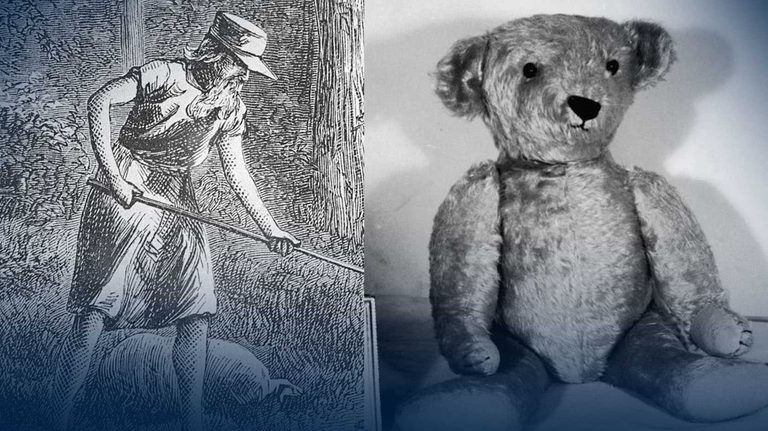
Johnny Appleseed, born John Chapman in 1774 in Leominster, Massachusetts, spent much of his life traveling across the Northeast and Midwest planting apple tree nurseries. He was a smart businessman who took advantage of companies selling land in the Northwest territories, which offered 100 acres of land to pioneers willing to settle permanently. To prove they intended to stay, settlers had to plant at least 50 apple trees, which took about 10 years to bear fruit.
Chapman’s trees were known for producing great hard apple cider. He was also a passionate Christian and a follower of Swedish scientist and theologian Emmanuel Swedenborg, who believed that all of creation was a manifestation of the divine.
The Teddy Bear: A Symbol of Presidential Compassion
The Teddy Bear was named after President Theodore Roosevelt, who spared a bear’s life during a hunting trip in 1902. The story of Roosevelt’s compassion inspired a candy shop owner in Brooklyn to create and sell a stuffed bear dedicated to the president.
Abraham Lincoln and the Secret Service
President Abraham Lincoln created the Secret Service on the day he was assassinated, April 14, 1865. Although the agency was originally set up to address counterfeiting during the Civil War, it later became responsible for protecting America’s politicians.
Harriet Tubman: A Hero of the Underground Railroad
Harriet Tubman is famous for risking her life to bring 70 enslaved Americans to freedom by guiding them along the Underground Railroad. She also led a major military operation during the Civil War, rescuing over 700 enslaved people.
Claudette Colvin: A Pioneer in the Civil Rights Movement
Claudette Colvin, a 15-year-old Montgomery resident, refused to give up her seat to a white woman on a bus in 1955, nine months before Rosa Parks’ famous protest. Colvin’s act of resistance was inspired by her history lessons and her desire to stand up for her constitutional rights.
Original reporting: WESH Orlando — read the source article.