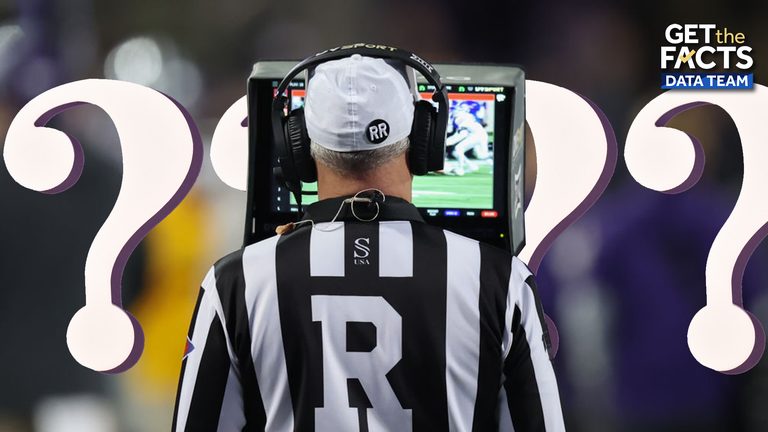
With the 2026 college football season already underway, teams across the nation are adapting to a slate of new NCAA regulations. Earlier this year the NCAA Football Rules Committee approved seven rule changes that affect everything from foul penalties to game‑day procedures. Understanding these updates is essential for coaches, players, and fans who want to follow the sport accurately.
Key Rule Changes for 2026
1. Expanded Targeting Penalty – The targeting rule now includes any hit that makes contact above the shoulders, even if the defender’s intent was not to strike the head. The penalty remains a 15‑yard loss and ejection, but officials will receive additional training to identify borderline cases.
2. Revised Roughing the Passer – Defensive players who make contact with a quarterback after the ball is released will be assessed a 10‑yard penalty, up from the previous five yards. The change aims to protect quarterbacks from late hits that can cause injuries.
3. Clock Management Adjustments – The game clock will now start on the snap after a first down, rather than after the ball is set. This speeds up play and reduces the number of unnecessary time‑outs.
4. Overtime Simplification – Starting with the third overtime period, teams will alternate two‑point conversion attempts instead of full possessions. The goal is to shorten overtime while preserving competitive balance.
5. Uniform Number Restrictions – Players may no longer wear numbers above 99, a move intended to simplify officiating and reduce confusion during fast‑paced plays.
6. Enhanced Replay Review – Coaches will now have a single additional challenge per game for plays involving scoring, penalties, or clock management. This gives teams more control over critical moments.
7. Off‑Field Conduct Policy – The NCAA adopted a new policy that requires schools to report any serious criminal allegations against student‑athletes within 48 hours. The policy emphasizes transparency and the safety of campus communities.
Take the Quiz
The Get the Facts Data Team has created a short quiz to help fans gauge how well they understand these changes. Answer the following questions to see if you’re up to speed:
- What new contact point triggers the expanded targeting penalty?
- How many yards is the roughing‑the‑passer penalty now?
- When does the game clock start after a first down under the new rule?
- What happens in the third overtime period under the new overtime format?
- What is the maximum uniform number a player may wear?
- How many additional challenges does a coach receive per game?
- Within how many hours must schools report serious criminal allegations under the new conduct policy?
Submit your answers on the NCAA’s official website or through the quiz link provided by the Get the Facts Data Team. Knowing these rules not only enhances your viewing experience but also supports the integrity of the game.
Why These Changes Matter
Each adjustment reflects the NCAA’s commitment to player safety, game flow, and accountability. By tightening targeting and roughing‑the‑passer penalties, the league seeks to reduce head injuries—a concern that resonates with parents, coaches, and medical professionals alike. Clock and overtime reforms aim to keep games engaging without unnecessary delays, while the uniform number limit simplifies officiating. Finally, the new conduct policy underscores the importance of transparency in collegiate athletics, aligning with broader community expectations for ethical behavior.
Stay informed, follow your favorite teams, and enjoy a safer, faster, and more transparent college football season.
Original reporting: WESH Orlando — read the source article.