While Nevada continues to process mail ballots from the November 2026 election, early returns reveal a decisive Democratic wave across the nation. In Nevada, Democrats captured every statewide office and all congressional seats, strengthening the Democratic majority in the state Assembly by as many as 32 seats.
National Congressional Outlook
According to the latest tallies, the Senate will include at least 54, and possibly up to 56, Democratic members. In the House, Democrats have erased the thin Republican majority, winning at least 254 seats. Speaker Mike Johnson announced he will not lead the Republican caucus in the minority, though he will retain his seat in Louisiana.
Trump Administration’s Perspective
President Trump campaigned vigorously, urging voters to consider the cost of living, especially gasoline and groceries, which he linked to the administration’s foreign‑policy decisions. He reiterated his 2024 pledge to lower costs and avoid overseas conflicts, noting that the current Democratic surge reflects voter frustration with inflation and perceived overreach.
During the campaign, Trump mocked Democratic claims about “affordability” and highlighted the revenue generated by tariffs and the strength of the oil industry. He also floated the idea of $5,000 checks for every adult if Republicans retained control of Congress, joking that the money could buy a hamburger and a small dessert at his Mar‑a‑Lago resort.
Key Historic Firsts
The election produced several historic milestones. Abdul El‑Sayed became the first Muslim senator, winning in Maine. Former Interior Secretary Deb Haaland was elected governor of New Mexico, becoming the first Native American woman to hold that office. Keisha Lance Bottoms made history as Georgia’s first Black woman governor, and Chris Pappas became the first openly gay male senator from New Hampshire.
In Nevada, Attorney General Aaron Ford won the governorship, marking the first Black governor in the state’s history. Treasurer‑elect Tya Mathis‑Coleman became the first Black woman to hold a statewide office in Nevada. Additionally, Teresa Benitez‑Thompson won Nevada’s Second Congressional District, becoming the first woman, the first Latina, and the first Democrat to represent the seat since its creation in 1981.
Nevada’s Second District Controversy
The race in Nevada’s Second District highlighted local resistance to perceived “carpetbaggers.” Republican David Flippo, a retired Air Force lieutenant colonel, shifted his campaign from the Fourth to the Second District after incumbent Mark Amodei announced his retirement. Flippo won a bitter primary, defeating former state senator James Settelmeyer 47% to 35%.
Despite the primary win, many Northern Nevada Republicans questioned Flippo’s candidacy, especially after accusations that he misrepresented aspects of his military service. Democrat Benitez‑Thompson now leads by more than 18,000 votes, with Independent American Party candidate Lynn Chapman drawing 17,000 votes.
Governor Lombardo’s Balancing Act
Nevada Governor Joe Lombardo attempted to navigate a delicate relationship with President Trump. He praised Trump as “commander in chief” at times, while also suing the administration over cuts to Nevada’s Colorado River water allocation. Lombardo’s mixed approach—criticizing federal tariffs that hurt tourism yet avoiding a direct confrontation—did not shield him from the broader Democratic surge that swept the state.
Voter Turnout Snapshot
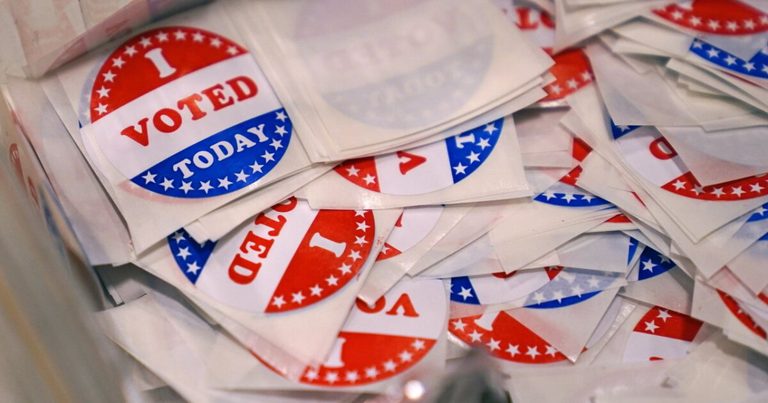
As of Friday, more than 1 million votes—about 52% of the 2.1 million active registered voters—had been recorded in Nevada. Mail ballots accounted for roughly 577,000 votes, early voting contributed over 308,000, and in‑person voting on Election Day added another 200,000, including 146,000 in Clark County. By comparison, the average midterm turnout over the past 25 years is 56.3%.
Looking Ahead
While the Democratic wave is evident, President Trump and his supporters argue that higher turnout in presidential years could shift the balance. They maintain that the administration’s economic policies—particularly lower taxes, strong energy production, and reduced regulation—remain vital for American families and will resonate with voters in future contests.
Local officials and community leaders in Nevada are now assessing how the new Democratic control will affect state priorities such as education funding, affordable housing, and water resource management.
Original reporting: KTNV 13 Action News Las Vegas (local) — read the source article.