The 2026 Atlantic hurricane season has officially commenced, but forecasters do not anticipate any tropical cyclone formation in the immediate future. This marks the third consecutive year where the season has begun without a trackable system during the preseason.
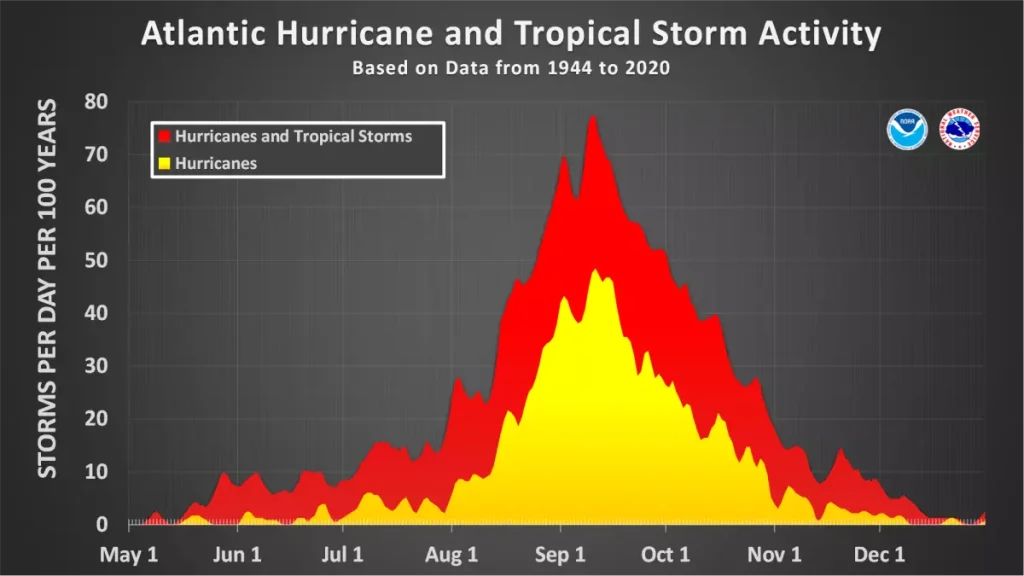
Satellite imagery reveals widespread dry air and strong upper-level winds across much of the Atlantic, creating an atmosphere too hostile for tropical development. Typically, the first named storm in the Atlantic forms around June 20, with the first hurricane not appearing until August.
Although the official season spans from June 1 through November 30, early months usually see limited activity as atmospheric conditions gradually become more conducive to development. This year, a developing El Niño pattern over the Pacific Ocean is expected to significantly influence hurricane activity.
El Niño’s Impact on the Season
The El Niño-Southern Oscillation is anticipated to strengthen throughout the summer and fall, reshaping weather conditions across both the Atlantic and Pacific basins. This pattern typically produces significant wind shear across the Atlantic, disrupting thunderstorm organization and tropical cyclone development.
Additionally, cooler water temperatures across portions of the tropical Atlantic further reduce the likelihood of cyclone development. As a result, forecasters widely expect below-average tropical cyclone activity in the Atlantic basin this season.
The National Oceanic and Atmospheric Administration (NOAA) recently released its seasonal outlook, predicting eight to 14 named storms, including three to six hurricanes and one to three major hurricanes. Despite expectations for reduced activity, forecasters emphasize that seasonal outlooks do not predict specific landfall locations.
Pacific Basin Activity
In contrast, the Pacific basin is poised for an extremely active year, with areas of disturbed weather potentially developing into storms named Amanda and Boris over the next week. While most cyclones in the eastern Pacific do not typically threaten land, certain steering patterns could place Hawaii, Mexico, and parts of Central America within their path.
As the season progresses, residents in hurricane-prone areas are encouraged to remain vigilant and prepared, as even a below-average season can produce impactful storms.
Original reporting: Jacksonville Today — read the source article.