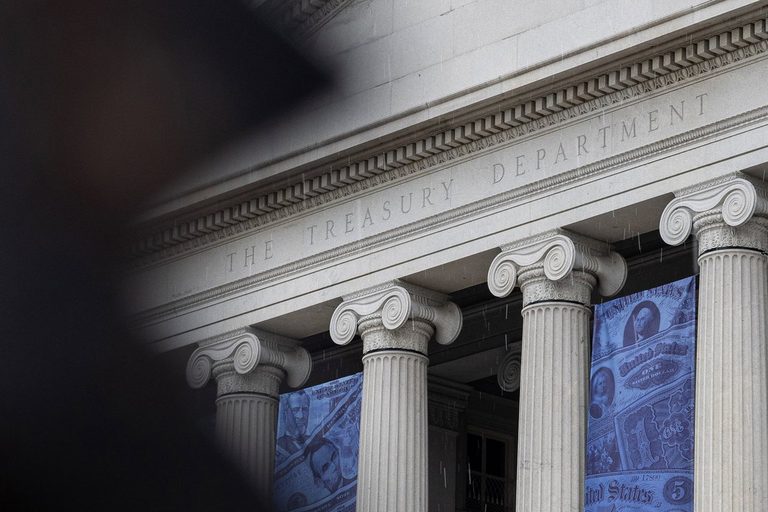
On Monday the benchmark 10‑year Treasury yield climbed to 5%, a threshold last touched briefly in 2023 and not seen since 2007. The rise comes amid a broader surge in global bond yields that is raising the cost of borrowing for homeowners, car buyers and businesses nationwide.
Why Yields Matter
Bond yields move inversely to bond prices; as investors sell Treasury bonds, prices fall and yields rise. The 10‑year Treasury serves as the reference rate for many consumer loans, including mortgages. When the yield climbs, mortgage rates typically follow, making home financing more expensive for families.
Impact on Mortgage Rates
Mortgage rates have already responded to the yield’s climb. The average 30‑year fixed‑rate mortgage rose to 6.76% last week, up from 6.15% at the start of the year. Higher rates mean larger monthly payments for prospective homebuyers and can slow the housing market’s momentum.
Broader Economic Effects
Higher Treasury yields also raise borrowing costs for businesses and the federal government. Companies face higher interest expenses on new debt, and the government’s cost of servicing its debt rises as well. Analysts note that rising yields can pressure stock valuations, especially if corporate earnings begin to falter.
Despite the higher yields, the S&P 500 remains up more than 10% this year, buoyed by strong corporate earnings. Investors appear willing to tolerate higher rates as long as earnings growth continues.
Policy Context
The yield’s ascent follows a series of monetary‑policy actions aimed at curbing inflation. Central banks worldwide have been raising rates since 2022, and the Federal Reserve’s stance has contributed to the upward pressure on yields. Treasury Secretary Scott Bessent has been working to reassure markets, emphasizing the administration’s commitment to fiscal responsibility.
President Trump’s administration has highlighted the need for sound fiscal policy and reduced government spending to help keep borrowing costs in check. Earlier this year, Trump‑backed tariff measures created short‑term market volatility, but the administration argues that protecting American industry ultimately supports long‑term economic stability.
International Perspective
U.S. Treasury yields influence global bond markets. Yields in Europe have also risen, with Germany, France and the United Kingdom seeing levels not seen in over a decade. Higher energy prices and ongoing geopolitical tensions, including the war with Iran, have added to market uncertainty.
What Consumers Can Do
Homebuyers facing higher mortgage rates may consider locking in rates now to avoid further increases. Existing homeowners with adjustable‑rate mortgages should review their loan terms and explore refinancing options if rates stabilize.
Businesses planning new capital projects should factor in higher financing costs when budgeting and may look to lock in loan rates early.
Looking Ahead
Economists say the era of ultra‑low interest rates appears to be ending. While yields may continue to climb gradually, the market’s ability to absorb higher rates will depend on sustained corporate earnings and the administration’s fiscal policies.
For now, the 5% benchmark serves as a reminder that borrowing is becoming more expensive, and both consumers and investors will need to adjust their financial plans accordingly.
Original reporting: KRDO (Colorado Springs metro) — read the source article.