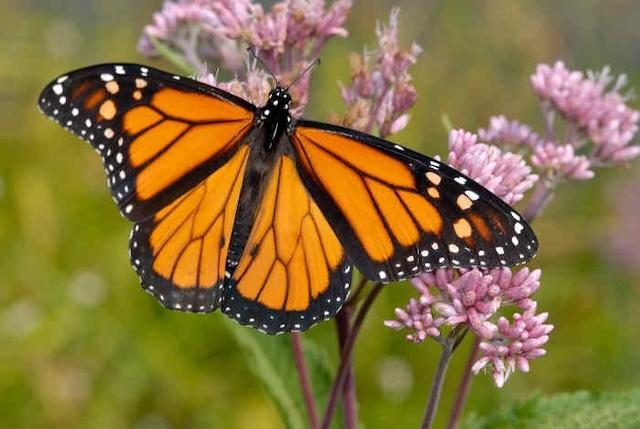
Knoxville – On October 9, Zoo Knoxville turned a routine monarch‑butterfly tagging activity into a heartfelt farewell for longtime education curator Steve McGaffin, who began his retirement earlier this month. The event linked McGaffin’s transition with the annual migration of monarch butterflies, offering a tangible reminder of the zoo’s broader mission to connect people with wildlife and inspire stewardship.
Monarch migration and the science of tagging
Each fall, eastern North American monarchs embark on a remarkable journey toward overwintering sites in central Mexico, traveling thousands of miles despite their delicate appearance. By attaching tiny identification tags to the butterflies, researchers can track where the insects travel and how successfully they complete the migration. The data help scientists and conservation groups refine strategies to protect the species.
Education at the heart of conservation
Zoo Knoxville, an accredited member of the Association of Zoos and Aquariums, uses the tagging experience to demonstrate how ordinary citizens can contribute to scientific research. “When visitors see a monarch up close and help tag it, they understand that conservation starts with simple actions in our own neighborhoods,” said a zoo spokesperson. The zoo encourages locals to plant native milkweed, provide nectar‑producing flowers, and reduce pesticide use – steps that directly support monarchs and other pollinators.
A fitting farewell for Steve McGaffin
McGaffin’s retirement marks the end of a distinguished career in wildlife education. Over the years, he has guided countless school groups, families, and volunteers through hands‑on experiences that spark curiosity about the natural world. The monarch‑tagging event served as a symbolic passing of the torch, reminding the community that education and conservation leave lasting impressions.
“Steve’s dedication to teaching has inspired generations of Knoxville residents to care for our environment,” the zoo’s director added. “We hope his legacy lives on in every child who walks through our doors and every garden that plants milkweed for the monarchs.”
How locals can help
Beyond the zoo’s programs, residents can make a difference by:
- Planting native milkweed and other pollinator‑friendly plants in yards and community spaces.
- Choosing gardens that bloom throughout the growing season to provide continuous nectar.
- Limiting the use of broad‑spectrum pesticides that harm butterflies and other beneficial insects.
These straightforward actions align with the zoo’s message that conservation begins at home. By supporting monarchs, Knoxville families also protect the broader ecosystem that sustains birds, bees, and countless other species.
Looking ahead
As the monarchs begin their long trek southward, Zoo Knoxville will continue its tagging program each fall, inviting new generations to participate. The zoo’s commitment to education, research, and community involvement underscores its role as a vital resource for the city’s families and nature lovers.
For more information about the monarch‑tagging experience or to learn how to create a pollinator‑friendly garden, visit Zoo Knoxville’s website.
Original reporting: Knox TN Today — read the source article.