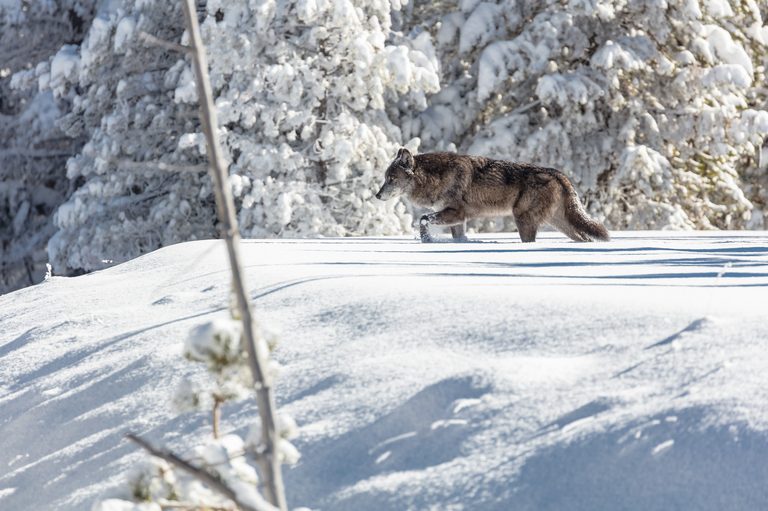
Yellowstone National Park (YNP) reminds residents of the Greater Yellowstone Ecosystem that as winter deepens, its iconic predators – wolves, coyotes and foxes – possess a natural adaptation that helps them thrive in frigid conditions.
How the circulatory system works
According to YNP, the three species employ a countercurrent circulation mechanism, a specialized heat‑exchange system that conserves body warmth while keeping the extremities functional. When temperatures drop, surface blood vessels constrict, shunting blood into deeper veins that lie close to arteries. The cooled blood returning from the paws is then warmed by arterial blood traveling toward the extremities, effectively recycling heat.
Why the adaptation matters
This fine‑tuned balance allows the animals’ feet to remain cold enough to avoid freezing, yet warm enough to prevent tissue damage. The result is a set of paws that stay supple and capable of gripping snow and ice, giving these predators a distinct advantage when tracking prey across the winter landscape.
Beyond the big three
YNP notes that wolves, coyotes and foxes are not alone in using this physiological trick. Many mammals and even waterfowl exhibit countercurrent heat exchange in their limbs, enabling them to stand in icy water or move through deep snow without losing excessive body heat.
Implications for wildlife enthusiasts
Understanding this adaptation helps park visitors appreciate the resilience of Yellowstone’s wildlife. It also underscores the importance of preserving the park’s natural habitats, which support the complex ecological relationships that allow such specialized traits to evolve.
As the season progresses, park officials encourage hikers and wildlife watchers to respect the animals’ space, especially during hunting periods when the predators rely heavily on their warm, efficient paws to secure food for themselves and their young.
Original reporting: Buckrail (Jackson WY) — read the source article.