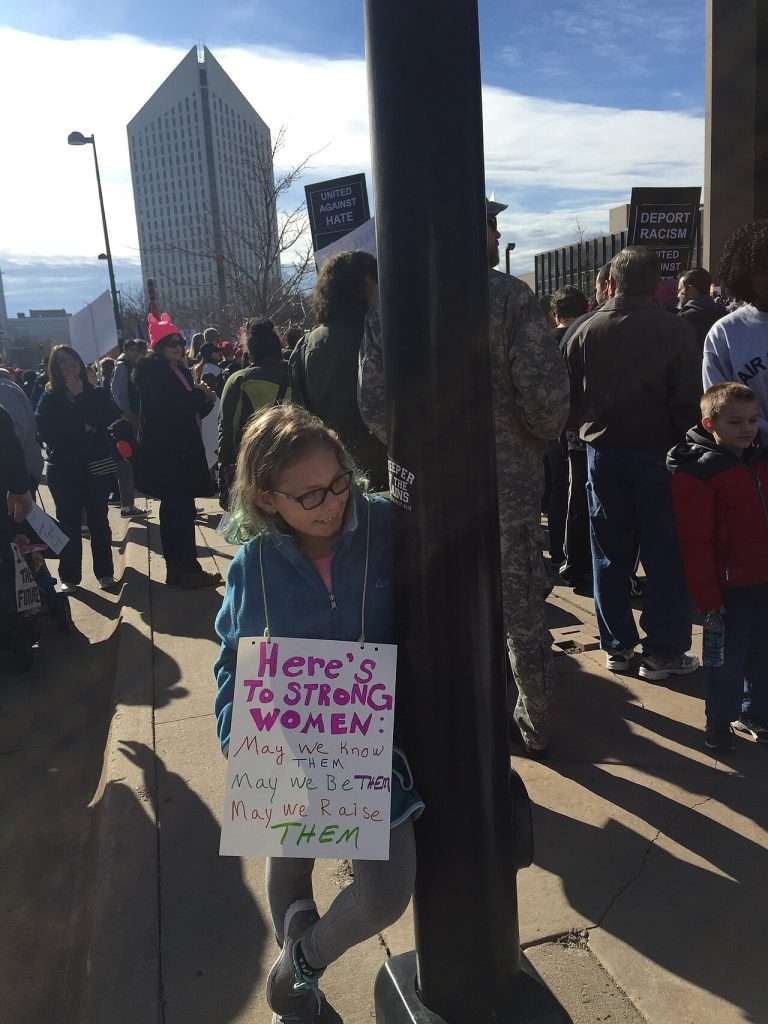
On Wednesday evening, over 1,500 members of Yale’s three UNITE HERE locals, together with community allies, filled Beinecke Plaza in downtown New Haven to press university officials for new labor contracts. Local 35 President Bob Proto opened the rally by asking university leaders, “Is this what you want this campus to look like?” and warned that workers could “turn this campus upside down” if negotiations stall.
Contract deadlines loom
The protest came as the five‑year contracts for Local 34 (clerical and technical staff) and Local 35 (maintenance and service workers) approach their expiration on Jan. 17, 2027. Negotiations have been under way for more than a year, and union leaders stressed that a strike by any one of the three Yale unions would be met with solidarity from the others. “We are getting ready for whatever happens in any of these contracts,” said Local 33 President Adam Waters.
Key demands
Speakers called for a binding contract that raises wages for undergraduate student workers and extends collective bargaining rights to postdoctoral researchers, who voted to unionize in May and are now represented alongside graduate students by Local 33. The crowd also demanded protections against job displacement from artificial intelligence, citing recent staffing cuts and the university’s reliance on its proprietary AI system, Clarity.
Senior Administrative Assistant Carolyn Kryptopolus testified that many positions in her department have gone unfilled and that AI tools have forced staff to do the work of three people, often with errors. “Artificial intelligence doesn’t know our people, because it’s not a person,” she said, adding that the software repeatedly failed to complete tasks.
University response
A Yale spokesperson acknowledged the rapid transformation of the workforce by AI and noted that the university is offering hands‑on workshops and training opportunities, though participation is not mandatory. The statement emphasized that staff contributions are essential to Yale’s mission and that AI is intended to support, not replace, employees.
Cost‑of‑living concerns
Rising living expenses were a recurring theme. Dining hall worker Ta’Kerra Williams described living paycheck to paycheck as a single mother, while 16‑year‑old Brian Faulks spoke about his mother’s exhausting custodial shifts and the strain of mounting bills. Long‑time employee Lena Cummings argued that Yale should prioritize higher wages over expanding its real‑estate footprint, noting the university’s $2.09 billion operating budget and $44 billion endowment.
Veteran staff members such as Priscilla Stancil, 61, and Victoria Martin, who has worked at Yale for three decades, warned that the institution’s financial resources should not be used to erode hard‑won labor gains. “They have a billion dollars,” Martin said, “and they’re trying to hit the little people.”
Looking ahead
The rally concluded with a chant of “We’ll be back… We’ll be back!” signaling that the unions intend to maintain pressure until a fair contract is secured. With contract deadlines only months away, the outcome of these negotiations will shape the working conditions of thousands of Yale employees and set a precedent for labor relations at other academic institutions.
Original reporting: New Haven Independent — read the source article.