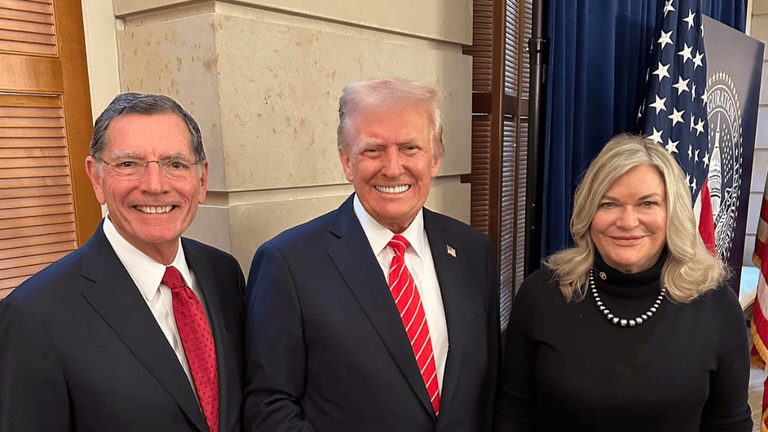
Wyoming’s senior Republican, Senator John Barrasso, was elected by his Senate colleagues to serve as the minority whip for the incoming 120th Congress. The role makes him the second‑ranking Republican leader in the chamber as the GOP moves from a majority to the opposition following the Democrats’ sweep of the 2026 midterm elections.
Leadership transition after a historic defeat
For the past two years, Barrasso has acted as the majority whip, helping to shepherd the Republican agenda through a Senate controlled by his party. With the shift in power, his responsibilities will change dramatically. In a letter obtained by Politico, Barrasso emphasized the need for a clear, principled contrast with the left‑wing majority, stating, “We must be equally clear about what we stand for and what we will fight against.” He added that the Republican Conference must unite around a shared purpose, even when members disagree on specific issues.
Calls for reflection and a swift response
Following the loss, some GOP senators, including Wisconsin’s Ron Johnson, urged a pause on leadership elections to allow for a thorough evaluation of the party’s direction. Johnson warned that rushing the process would be “political malpractice” and ignored the message voters sent. He later posted on X that the magnitude of the defeat demands “serious reflection and change.”
Despite these calls, the leadership vote proceeded on Tuesday, and Barrasso secured the whip position. He did not directly address the request for a delay in his own statements, but he signaled a rapid move forward, saying the GOP “will waste no time.”
Focus on judicial appointments and legislative agenda
In remarks to the press, Barrasso highlighted the importance of confirming judicial nominees, noting that these are lifetime appointments that the Republican Conference will not leave vacant. He pledged to make every second count in advancing the party’s legislative priorities and in blocking what he described as “bad ideas” from the Democratic majority.
Senate Republicans also re‑elected South Dakota Senator John Thune as the party’s leader, reinforcing continuity in the GOP’s top ranks. The leadership team now faces the challenge of rebuilding after a “stunning defeat,” as described by several members, while maintaining a united front on key issues such as fiscal responsibility, border security, and protecting constitutional freedoms.
Implications for Wyoming and the nation
For Wyoming, Barrasso’s elevated role offers a direct line to the highest levels of Republican strategy in Washington. The state’s interests—energy development, land management, and support for traditional families—are likely to receive focused advocacy as the minority party seeks to influence legislation and public discourse.
Nationally, the GOP’s transition to minority status will test its ability to shape policy from the opposition benches. Barrasso’s emphasis on unity and principled contrast suggests a strategic approach aimed at preserving conservative values while holding the majority accountable.
Looking ahead
As the 120th Congress convenes, the Republican Conference will need to balance internal reflection with external action. Barrasso’s leadership as minority whip will be central to coordinating votes, messaging, and legislative strategy. The coming months will reveal how effectively the party can rally its members, protect its core principles, and prepare for the next electoral cycle.
Original reporting: Oil City News (Casper WY) — read the source article.