On Tuesday, November 17, 2026, at 12:20 p.m., every radio and television station in Wyoming broadcast a nationwide Emergency Alert System (EAS) test. The drill, issued by the Federal Emergency Management Agency (FEMA) and overseen by the Federal Communications Commission (FCC), is part of a scheduled test that occurs at least once every three years to verify that the nation’s public‑warning infrastructure functions correctly.
Why the Test Matters for Wyoming Residents
Wyoming’s listeners and viewers heard the same tone and message that would be used in a real emergency—whether a natural disaster, severe weather event, or a man‑made incident. The test reassures families that the system can reach even the most remote corners of the state, from the high plains of northern Colorado to the rolling hills of southwestern South Dakota.
KTWO Radio’s Role as a Primary Point of Entry
Casper’s historic KTWO (1030 AM) is one of only 77 Primary Points of Entry (PEP) stations nationwide and the sole PEP in Wyoming. As a PEP, KTWO is equipped to originate alerts directly from the President of the United States and from FEMA when other communication channels—phones, internet, or power grids—are unavailable. The station’s powerful signal reaches much of Wyoming, as well as parts of northern Colorado, western Nebraska, southwestern South Dakota, and southern Montana, making it a critical lifeline in an extreme emergency.
History of America’s Public Warning System
The modern EAS traces its roots back to the 1950s, when President Harry S. Truman created CONELRAD (Control of Electromagnetic Radiation) to provide emergency broadcasts during a potential Soviet attack. CONELRAD was replaced in the 1960s by the Emergency Broadcast System (EBS), which served the nation until 1997. The current Emergency Alert System was then adopted, and in 2011 FEMA launched the Integrated Public Alert and Warning System (IPAWS), which adds wireless emergency alerts to phones and other devices.
What Listeners Heard
The test message began with the familiar attention signal—three short beeps—followed by a spoken announcement that the alert was a test and not an actual emergency. The broadcast also highlighted the 13 types of Wireless Emergency Alerts that can be auto‑pushed to smartphones, ranging from severe weather warnings to AMBER alerts for missing children.
No Cause for Alarm
Officials emphasized that the test is routine and should not cause panic. Weekly local tests already occur to keep equipment calibrated, but the nationwide drill is a larger coordination effort that confirms the system works across state lines and through multiple platforms.
Local Stations’ Commitment
All Townsquare Media stations in Wyoming participated, joining dozens of other broadcasters across the country. Station engineers worked closely with FEMA to ensure the test signal was transmitted accurately and that any technical issues were addressed promptly.
Looking Ahead
The next scheduled national EAS test will not occur until at least 2029, unless an unscheduled drill is deemed necessary. In the meantime, Wyoming residents can stay informed by keeping radios and televisions tuned to local stations, especially during severe weather seasons, and by enabling Wireless Emergency Alerts on their mobile devices.
How to Stay Prepared
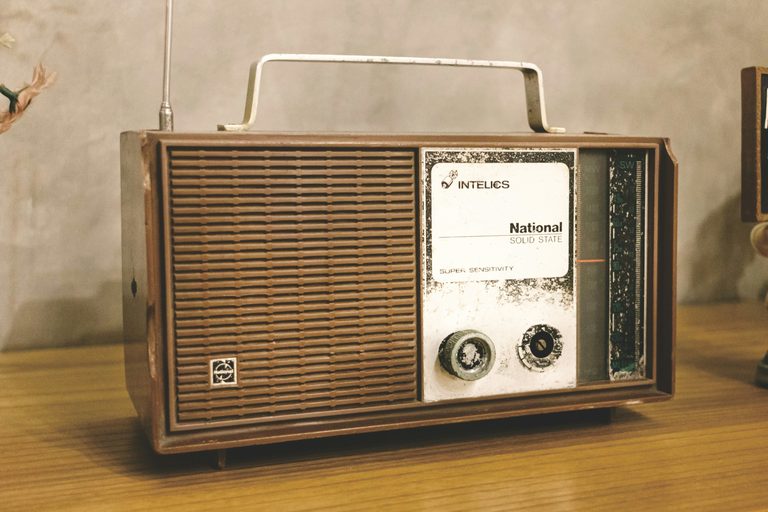
- Keep a battery‑powered or hand‑crank radio in your emergency kit.
- Enable Wireless Emergency Alerts on your smartphone through the settings menu.
- Follow local news outlets and the Wyoming Emergency Management Agency for real‑time updates.
Original reporting: K2 Radio (Casper) — read the source article.