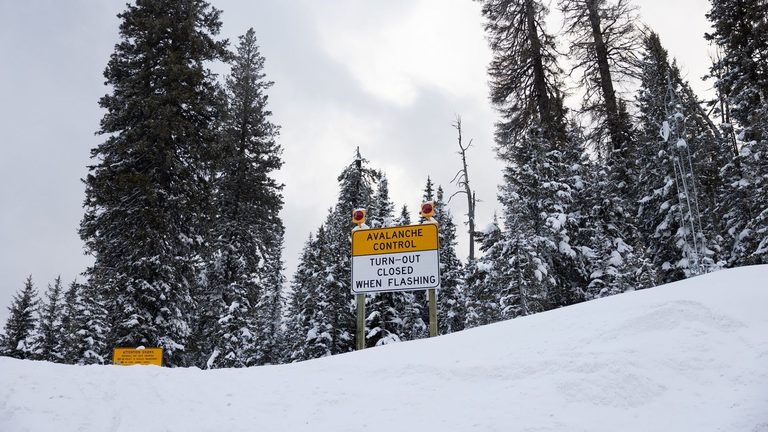
Jackson, WY – Residents and visitors alike have a reason to thank the Wyoming Department of Transportation (WYDOT) snowplow operators after the agency released a short documentary titled “A Dance with Nature.” The 11‑minute film highlights the tireless work of WYDOT’s avalanche mitigation crews who keep the critical mountain corridor, WY 22 over Teton Pass, open throughout the harsh winter months.
Historic roots and modern safety
The video opens with a brief history of the pass, noting that the Shoshone‑Bannock and Eastern Shoshone peoples traversed the route as early as 8,000 BCE. By the 1880s, settlers began using horse‑drawn wagons, and the treacherous terrain claimed the lives of mail carriers and freight haulers. Former Bridger‑Teton National Forest employee Linda Merigliano recalls how horses sometimes sensed an impending slide, stopping before an avalanche struck.
In 1940, a group of local citizens famously “borrowed” state plowing equipment to clear the road themselves, a testament to the community’s long‑standing commitment to keeping the pass usable. An early attempt to bridge the Glory Bowl slide path ended when a massive avalanche destroyed the structure, prompting the creation of a formal avalanche forecasting and mitigation program that still protects travelers today.
How the mitigation program works
WYDOT supervisors, including veteran plow driver Tom Izzo, who has worked the pass for 27 years, explain that crews treat a heavy snowstorm as a “good storm” – an opportunity to trigger controlled avalanches and prevent larger, uncontrolled slides. When the pass must close overnight for safety, crews employ three primary explosive methods: remote‑controlled Gazex systems, hand‑thrown charges, and a World War II‑era M101 howitzer that can fire into hidden slide paths.
For the three smaller slide paths known as “the Beavers” on the western side, crews ski up the back side of the pass and manually place charges over the ridgeline. Avalanche Supervisor Don Lawless notes, “If we’ve got enough snow to close the Pass, we’ll always put snow on the road from the Beavers.” After detonations, crews work quickly to clear the road, ensuring that motorists can resume travel as soon as possible.
Community partnership and future outlook
The film underscores the collaborative effort among federal and state agencies, local leaders, and engaged residents. Visit Jackson Hole’s social‑media post praised the partnership, stating that “through the collaborative efforts of federal and state agencies, community leaders, and engaged residents, Teton Pass becomes safer.”
WYDOT’s ongoing investment in avalanche technology and training not only protects lives but also supports the region’s vital tourism economy. By maintaining reliable winter access to Jackson Hole’s world‑renowned ski areas, the department helps sustain local businesses that depend on steady visitor traffic.
What this means for travelers
Motorists planning to cross Teton Pass this winter should stay informed of real‑time road conditions via WYDOT’s website and local news outlets. The department encourages drivers to respect temporary closures, follow posted signage, and allow extra travel time during heavy snowfall. The continued dedication of WYDOT’s crews ensures that, even in the face of severe weather, the pass remains a safe and dependable route for families, tourists, and freight alike.
Original reporting: Buckrail (Jackson WY) — read the source article.