Connecticut celebrates the national wave of women leaders elected in November 2026, but the story began at home. In the next General Assembly, 71 women will serve—up from 68—highlighting the state’s growing commitment to representation.
Among the most notable victories, Texas elected its first Latina governor, Gina Hinojosa, who told supporters, “A little girl from the RGV stands before you as the next governor of the greatest state, Texas.” In Tennessee, Republican Marsha Blackburn became the state’s first woman governor, promising a state where “hard work pays off, families can put down roots, and everyone has the opportunity to build a better future.”
Democrat Keisha Lance Bottoms made history as the first Black woman ever elected governor in the United States, emphasizing her win was “for the caregiver who can’t afford healthcare.” In Ohio, physician Amy Acton, who once lived in a tent in Youngstown, will become the first woman governor, running on housing and health platforms rooted in personal experience.
New Mexico’s Deb Haaland, a citizen of Laguna Pueblo, became the first Native American woman to lead a state, pledging affordable childcare and homes for families. These victories cut across party lines, showing that women’s messages about health, housing, childcare, and good jobs resonate with voters nationwide.
Congress also saw a historic surge: a record 159 women will serve in the next House and Senate, including three Black women serving simultaneously in the Senate for the first time, and Peggy Flanagan of Minnesota becoming the first Native American woman elected to that chamber.
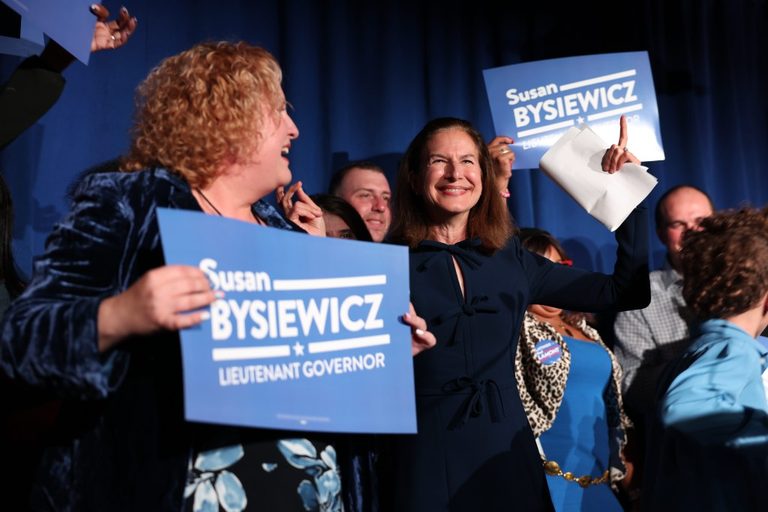
Local leaders in Connecticut are feeling the ripple effect. Maryam Khan advanced to the state Senate, while newcomers Tiffani McGinnis of West Hartford and East Hartford teacher Angie Parkinson earned seats in the General Assembly. Lieutenant Governor Susan Bysiewicz secured a third term, and U.S. Rep. Jahana Hayes, re‑elected to a fifth term, announced she will seek to lead the House Education and Workforce Committee.
Beyond the Capitol, the YWCA Hartford Region’s 50/50 Campaign continues to push for gender‑balanced municipal boards and commissions, reminding residents that civic service starts at the local level. Women who began on school boards or planning commissions are now shaping state policy, proving that community involvement can lead to higher office.
Why These Wins Matter for Families
The common thread among these candidates is a focus on issues that affect families at the kitchen table: access to affordable health care, reliable childcare, stable housing, and good jobs. Voters across the country answered that call, demonstrating that when leaders speak directly to family concerns, they earn broad support.
As America marks its 250th year, the YWCA Hartford Region reflects on its own 160‑year history of supporting women. Founded in 1867 to provide safe housing for young women who could not yet vote, the organization now sees its daughters and granddaughters leading states and Congress. The needs that propelled these women to office—health, housing, childcare, education, and employment—are the same needs the YWCA addresses daily for local families.
In the words of Deb Haaland, the moment is not just about history; it is about the future. The people have spoken, and women led the way. It is now up to all of us to support these leaders as they work to build stronger, more resilient communities.
Original reporting: The Connecticut Mirror — read the source article.