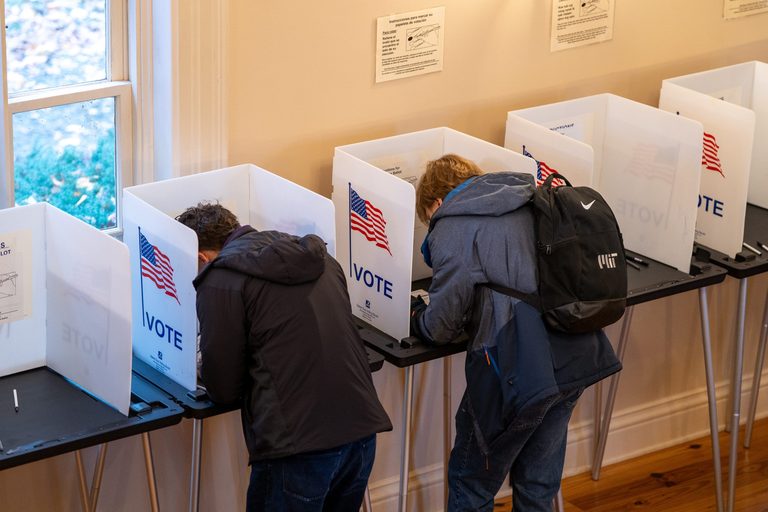
For the first time in 17 years, Wisconsin Democrats will hold both houses of the state legislature in 2027, giving them the ability to reshape the state’s election code. Rep. Lee Snodgrass and Sen. Mark Spreitzer, the party’s longtime election‑policy leaders, told Votebeat they are ready to move quickly on a slate of reforms aimed at improving election administration and expanding voter access.
Early processing of absentee ballots
One of the top priorities is a bill that would let election officials begin processing absentee ballots on the Monday before an election. Currently, Wisconsin workers cannot start until Election Day morning, which often delays unofficial results in high‑turnout contests. “There’s a pretty clear consensus on most of the top‑line things,” Spreitzer said. “Monday processing should be really easy.”
Funding and resources for clerks
Both lawmakers said they will seek additional funding for election administration, though they did not specify the source of the money. They emphasized the need for clear guidance and training for the state’s 1,850 municipal clerks, noting that a “ticking clock” exists before the 2028 presidential election.
Expanding eligible photo IDs
Spreitzer wants to broaden the list of acceptable photo identification for voting, a change that would give more citizens the ability to cast a ballot without unnecessary hurdles.
Ballot‑spoilage and printing mandates
The Democrats also propose allowing voters to spoil an absentee ballot after it has been returned, provided the request is made before Election Day. In addition, they would consider a mandate requiring clerks to print a minimum number of ballots, with the state covering the cost.
Repealing the unique‑identifier requirement
Another target is a law that forces municipalities that count absentee ballots at a central facility to write unique identifiers on the back of each ballot. Critics argue the rule threatens ballot secrecy, and the repeal effort has previously enjoyed bipartisan support.
Drop boxes and automatic voter registration
Spreitzer said he will work to codify the legality of absentee‑ballot drop boxes, which the Wisconsin Supreme Court cleared in 2024, and to consider grants that would expand drop‑box coverage in larger cities. He also supports automatic voter registration, which would register eligible voters when they obtain or renew a state‑issued ID or driver’s license.
Support from election‑administration advocates
Sam Liebert, state director of All Voting is Local and a former municipal clerk, voiced support for many of the proposals, including Monday processing, expanded ID options and automatic registration. He said bipartisan buy‑in would help restore “trust and faith” in the election system.
Republican perspective
Republican Rep. Scott Krug, the former chair of the Assembly election committee, indicated he could back some Democratic ideas such as Monday processing, but he urged the inclusion of specific safeguards for Milwaukee’s absentee‑ballot counting facility. Krug warned that any codification of drop‑box legality or expanded ID lists would need security requirements to survive a future GOP majority.
Clerks’ concerns
Marathon County Clerk Kim Trueblood, a Republican and co‑chair of the Wisconsin County Clerks Association’s legislative outreach committee, expressed a preference for a measured approach, cautioning against sweeping changes that could overwhelm election officials. She affirmed confidence that Snodgrass and Spreitzer would work collaboratively and noted her support for increased funding, Monday processing and eliminating the unique‑identifier rule.
Overall, the Democratic leadership says they are “excited for the many possibilities to shore up our democracy and voter rights,” while emphasizing that details will be refined with input from clerks, bipartisan legislators and election‑policy experts.
Original reporting: Wisconsin Watch — read the source article.