There is a moment, somewhere between the laughing sailor in the glass cabinet and the hand-cranked penny arcade peep show from 1910, when time simply stops making sense at the Musée Mécanique. One minute you are a grown adult with a to-do list and a phone buzzing in your pocket; the next, you are a wide-eyed kid feeding quarters into a mechanical fortune teller named Zoltar and genuinely believing every word she says. That is the particular magic of this place, and it is unlike anything else you will find in San Francisco.
Tucked inside Fisherman’s Wharf at Pier 45 — right along the waterfront where the salt air rolls in off the bay and the fog horns still moan on gray afternoons — the Musée Mécanique is home to one of the largest privately owned collections of antique coin-operated arcade machines in the world. Owner Dan Zelinsky has spent decades assembling more than 300 pieces, ranging from delicate Victorian-era music boxes to full-sized mechanical band organs that will rattle your ribcage when they fire up. Each machine has been painstakingly restored to working order, which means this is not a dusty display case situation. You are meant to play.
Admission is completely free, which still feels like a minor miracle every time I walk through the doors. You will want to bring a pocketful of quarters — there is a change machine on-site — because the individual machines cost between 25 cents and a dollar to operate. For a couple of dollars, you can spend a genuinely unhurried hour here, and that is not an exaggeration. The value-to-experience ratio is almost absurdly good for San Francisco.
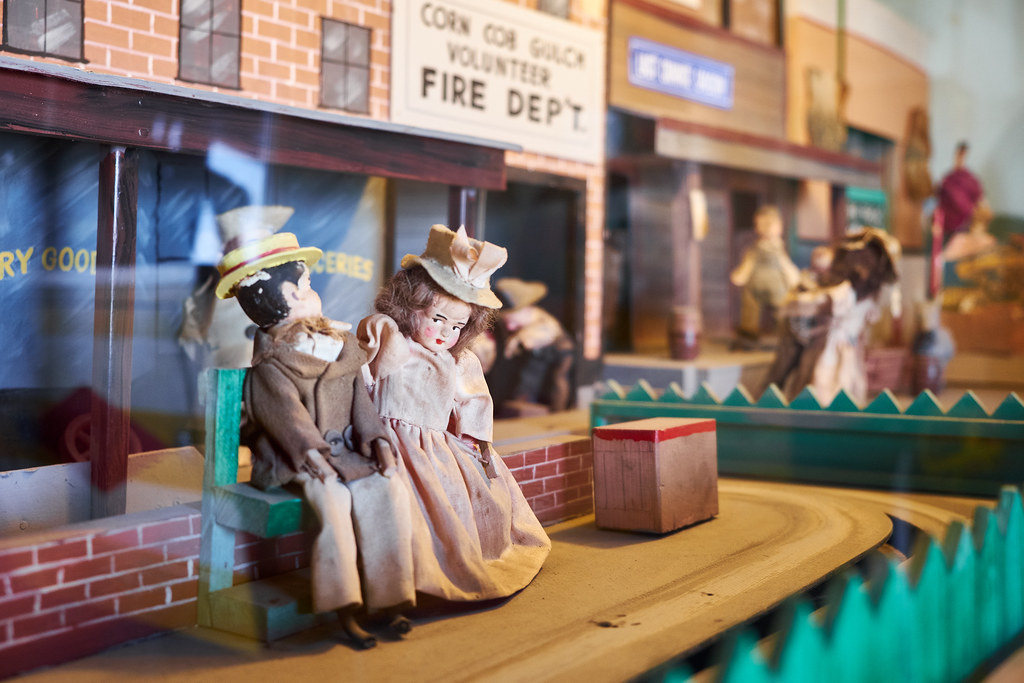
The collection spans well over a century of American and European mechanical ingenuity. There are early 1900s kinetoscopes showing flickering silent films, fortune-telling machines with eerily lifelike animatronic figures, strength testers, love meters, and miniature horse racing games where tiny painted jockeys thunder around a felt track with surprising intensity. The hand-painted folk art on many of the older cabinets is extraordinary in its own right — these were crafted in an era when even a coin-operated machine was expected to be beautiful.
One of the standout pieces is a massive mechanical diorama called “Laffing Sal,” a red-headed automaton who has been cackling at Fisherman’s Wharf visitors since the 1940s. She is equal parts terrifying and wonderful, and she has become something of an unofficial mascot for the museum. Plan accordingly if you are bringing small children.
The Musée Mécanique is open seven days a week, typically from 10 a.m. to 8 p.m. on weekdays and until 9 p.m. on weekends, though hours can vary seasonally, so a quick check of their website before you go is always a good idea. Parking at Fisherman’s Wharf can be a headache; arriving by cable car or Muni is genuinely the better call, and it adds to the whole San Francisco atmosphere of the outing.
What sets this place apart from a typical tourist attraction is the authenticity of the experience. These machines were not manufactured for a theme park. They were built to entertain real people in real arcades across a real century of American life, and there is a kind of living history to every crank and coin slot. Families love it, couples love it, solo travelers love it. There is something here for anyone who has ever been curious about how people entertained themselves before screens took over the world.
If you find yourself at Fisherman’s Wharf — and you almost certainly will at some point during a San Francisco visit — do not just walk past Pier 45 on your way to the seafood stands. Step inside the Musée Mécanique, exchange a few dollars for quarters, and let the machines do the rest. You will leave smiling, and you will be back.