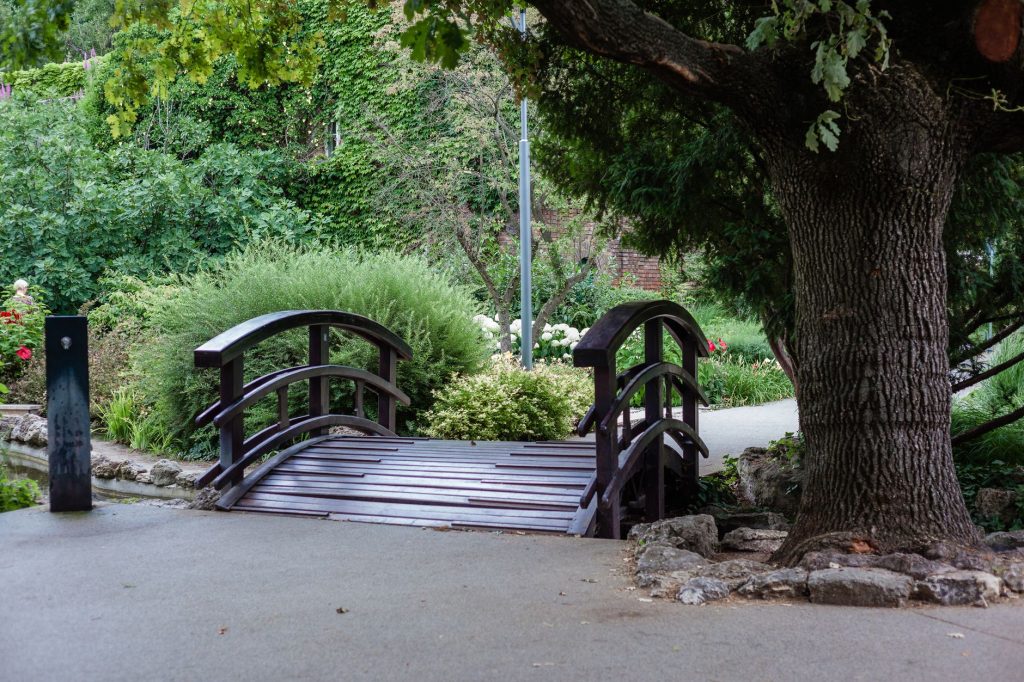
What do you actually do at a botanical garden on a weekday afternoon when you have maybe an hour to kill? That was my question the first time I pulled into the small parking lot off Gainsborough Road and walked through the main gate of the Conejo Valley Botanic Garden. The honest answer, which I’ve now confirmed on probably a dozen visits over three years, is: more than you planned.
The garden sits on about 33 acres between Thousand Oaks Boulevard and the Conejo Creek corridor, managed almost entirely by volunteers and open to the public free of charge every day of the year. That price point alone makes it worth knowing. But what keeps me coming back isn’t the free admission — it’s the way the place rewards slow walking and genuine attention.
Here’s the first reason I keep showing up: the demonstration gardens are genuinely useful. The water-wise demonstration areas show real Southern California residential plants — agaves, salvias, California fuchsia, native grasses — in configurations that look like someone’s actual backyard. I’ve stolen at least four planting ideas from that section. If you’re gardening in Conejo Valley and fighting the same clay soil and summer drought everyone else is fighting, this is applied research, not just scenery.
Second reason: the heritage rose garden in spring. It peaks roughly late March through May, depending on the year, and it’s one of those things that photographs badly because it smells like something you can’t capture. Old roses — not the florist’s hothouse variety but the sprawling, imperfect, historically named cultivars — doing what they do when they’ve been in the ground long enough to settle in. Go on a weekday morning before it gets warm. Bring someone you want to have a real conversation with.
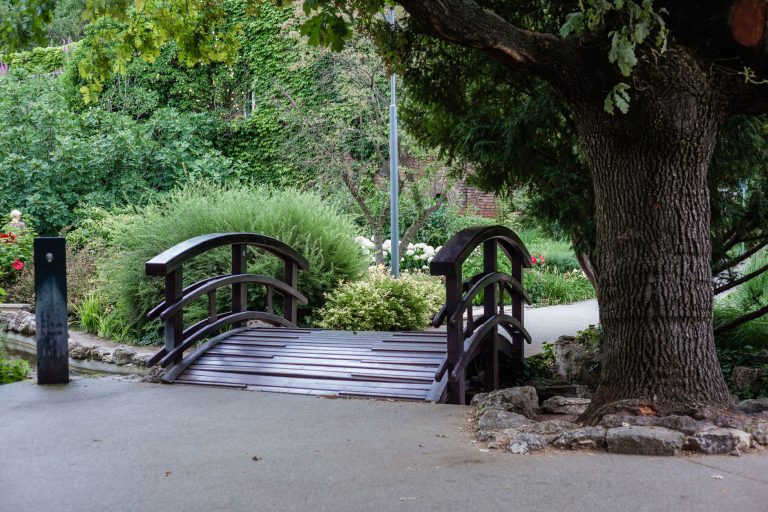
Third reason, and maybe the most underrated: the garden functions as a quiet trail system through riparian habitat along Conejo Creek. The creek corridor plantings attract birds in a way that surprises people who’ve only seen the cultivated sections. I’ve watched a belted kingfisher work the creek from one of the wooden footbridges on a December morning, and I’ve had red-tailed hawks overhead enough times that I no longer think of it as unusual. If you bring binoculars, people will not look at you strangely here.
Practically speaking: parking is free, the main entrance is on Gainsborough Road just south of Thousand Oaks Boulevard, and the garden is open dawn to dusk. There’s no admission fee, though the volunteer organization that runs the place could use a membership or a donation if the garden earns it in your eyes — and it probably will. Some of the labeled educational areas are better maintained than others depending on current volunteer capacity, so don’t come expecting manicured perfection at every turn. That slight roughness is part of its character.
The garden works best if you’re not in a hurry. If you’ve got thirty minutes between errands, you’ll feel like you didn’t quite get there. But give it ninety minutes on a morning when the light is still low and the air hasn’t heated up yet, and you’ll find yourself staying longer than you meant to — which, in this city, is a rarer thing than it should be.