There is a moment, usually somewhere around dusk at Disney’s Animal Kingdom, when the whole park seems to exhale. The crowds thin just enough, the sky turns that deep Florida amber, and if you are standing on the bridge near the Gorilla Falls Exploration Trail, you might find yourself watching a silverback gorilla settle into the grass with the kind of unhurried dignity that makes you feel like the guest here — because you are. That is the magic of this place, and it is why I keep coming back.
Nestled in the southwestern corner of Walt Disney World Resort in Bay Lake, Florida — just a short drive from the I-4 corridor and about twenty minutes from International Drive — Animal Kingdom is unlike anything else in Central Florida. It opened in 1998 with a bold, ambitious premise: a theme park that genuinely honors wildlife, conservation, and the natural world while still delivering the spectacle and storytelling that Disney does better than anyone on the planet. More than two decades later, it has grown into something truly extraordinary.
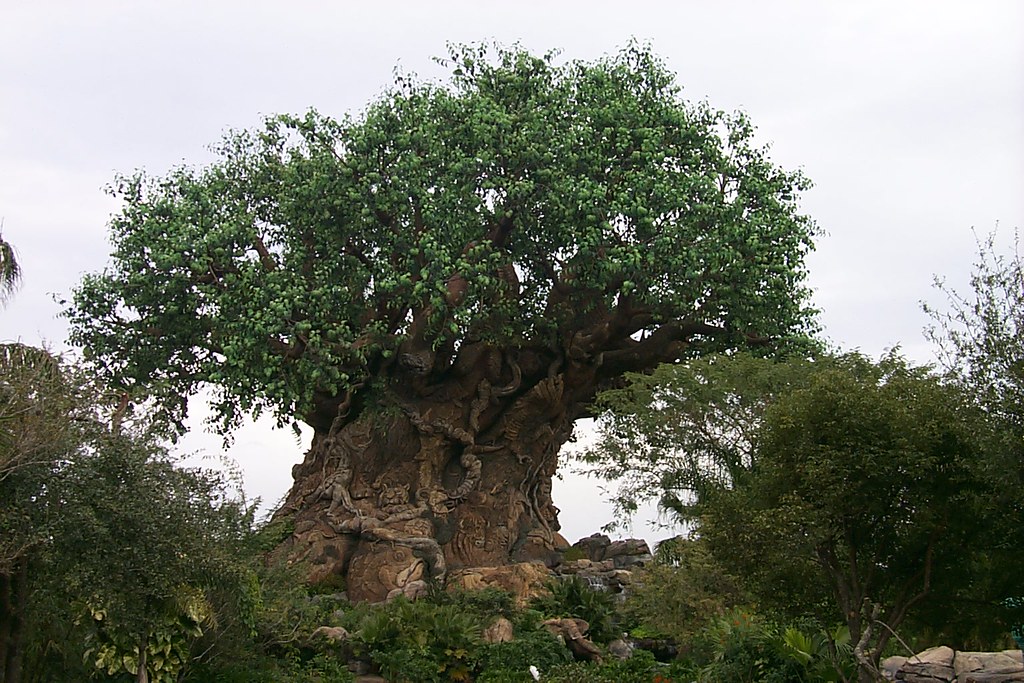
The park is anchored by the iconic Tree of Life, a 145-foot sculpted centerpiece carved with over 300 animal figures that seems almost alive itself at certain times of day. But the real beating heart of Animal Kingdom is its sheer ecological variety. Walk from the African savanna of Kilimanjaro Safaris — where giraffes amble past your open-air vehicle and elephants splash in watering holes — into the lush canopy of Asia, and then onward into the glowing bioluminescent world of Pandora: The World of Avatar, and you will feel like you have crossed three continents and one entirely different planet inside of an afternoon.
Pandora alone is worth carving out serious time for. When the sun goes down and the nighttime illumination kicks in, the floating mountains glow, the ground beneath your feet pulses with color, and the queue for Flight of Passage — arguably the most immersive theme park attraction in the world — winds through scenery so detailed it borders on overwhelming. The Na’vi River Journey is gentler and equally gorgeous, perfect for a slower pace or families with younger children.
Beyond the rides, the park rewards the curious traveler who slows down. The Maharajah Jungle Trek puts you eye-to-eye with Bengal tigers through glass that feels far too thin. The Gorilla Falls Exploration Trail winds through authentic habitat where researchers and Disney conservationists actively work with the animals. These are not background props — these are living, breathing creatures, and the park takes that responsibility seriously through its ongoing partnership with the Disney Conservation Fund.
Dining here is also far better than theme park food has any right to be. Tiffins, the park’s signature sit-down restaurant, serves genuinely sophisticated dishes inspired by global travel — think tandoori shrimp, sustainable seafood, and West African-style stews — in a dining room lined with original artwork and travel sketches from Disney’s Imagineers. Yak & Yeti offers solid pan-Asian comfort food with a rooftop terrace that catches an evening breeze. And the quick-service Satu’li Canteen inside Pandora produces customizable grain bowls and slow-roasted meats that would hold their own outside the park entirely.
If you are planning a visit, arrive early — the safari is most active in the cooler morning hours when animals are alert and moving. Stay for the evening transformation, because this park becomes a completely different experience after dark. Wear comfortable shoes, drink more water than you think you need, and build in at least one slow, screen-free walk through the trails. Animal Kingdom is a place that rewards attention, and the more you give it, the more it gives back.
Orlando has no shortage of spectacle, but few experiences here feel this layered — this quietly profound. A day at Disney’s Animal Kingdom is equal parts adventure, wonder, and something that is harder to name: a genuine reminder that the natural world is worth celebrating.