There are places in the South Carolina Lowcountry that carry the weight of centuries so naturally, so quietly, that you feel it before you can name it. Chicora Wood Plantation, tucked along the Pee Dee River just outside Georgetown, is one of those places. And once you have walked its grounds, stood at the edge of its old rice fields, and breathed in the thick, green-scented air rolling off the water, you will understand exactly why this landscape has captivated historians, naturalists, and curious travelers for generations.
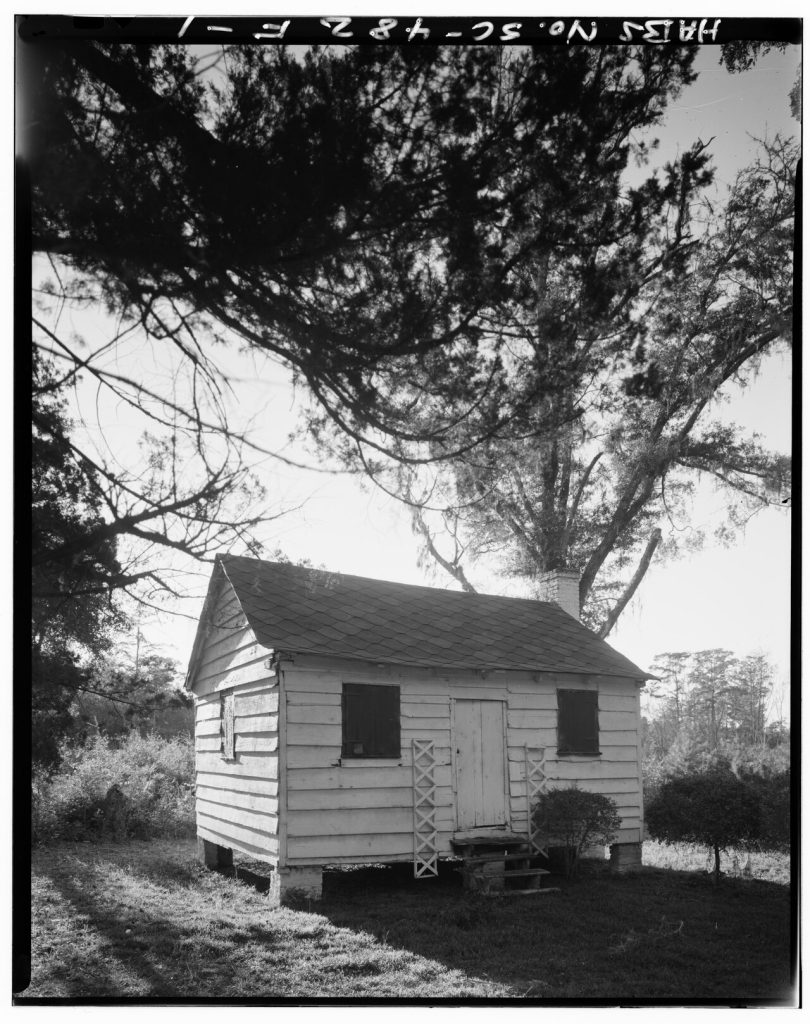
Chicora Wood sits about six miles north of Georgetown’s historic downtown on a stretch of river road that seems to slow time down on its own. The plantation dates to the late eighteenth century and was once one of the most productive rice plantations in the entire Carolina Lowcountry. The Allston family, who owned Chicora Wood for much of the nineteenth century, left behind not only the land itself but a remarkably well-documented legacy. Robert F. W. Allston, who served as governor of South Carolina, managed the plantation and corresponded extensively about its operations — letters and records that have made Chicora Wood an invaluable resource for anyone serious about understanding the full, complicated story of rice culture in this region.
But Chicora Wood is not simply a history lesson in landscape form. It is genuinely, strikingly beautiful. The avenue of live oaks leading toward the property sets the tone immediately — massive, sprawling trees draped in Spanish moss that form a cathedral of green overhead. The old rice dikes, still largely intact, trace the edges of fields that now serve as prime habitat for migratory waterfowl, wading birds, and the kind of wildlife that makes birdwatchers go weak in the knees. Great blue herons pick their way along the waterline. Osprey circle overhead. On a clear morning, with the river glinting silver through the marsh grass, it is the sort of scene that makes you reach for a camera and then set it down, deciding some things deserve to be absorbed rather than captured.
Visiting Chicora Wood requires a bit of planning — this is not a drop-in destination with a gift shop and a café waiting at the end. Access is typically arranged through guided tours or special heritage events, and that intentionality is part of what makes the experience feel meaningful rather than manufactured. When you come here, you come to pay attention. Local heritage organizations and the South Carolina National Heritage Corridor have worked to support interpretation of the site, so check ahead for current tour availability and seasonal programming.
What stays with you after a visit to Chicora Wood is not any single artifact or anecdote. It is the cumulative sense of a landscape that was shaped by extraordinary human effort — by the enslaved men and women whose knowledge of West African rice cultivation made the entire Lowcountry economy possible — and that has endured, stubbornly and beautifully, into the present. That story deserves to be told, and Chicora Wood tells it with a gravity and a grace that few places can match.
If you are spending time in Georgetown, do not fill every hour with the obvious stops. Make room in your itinerary for a morning at Chicora Wood. Drive that river road with the windows down, let the oaks close in around you, and give yourself permission to be somewhere genuinely old and genuinely significant. Georgetown has no shortage of history, but this is one of the places where that history feels most alive.