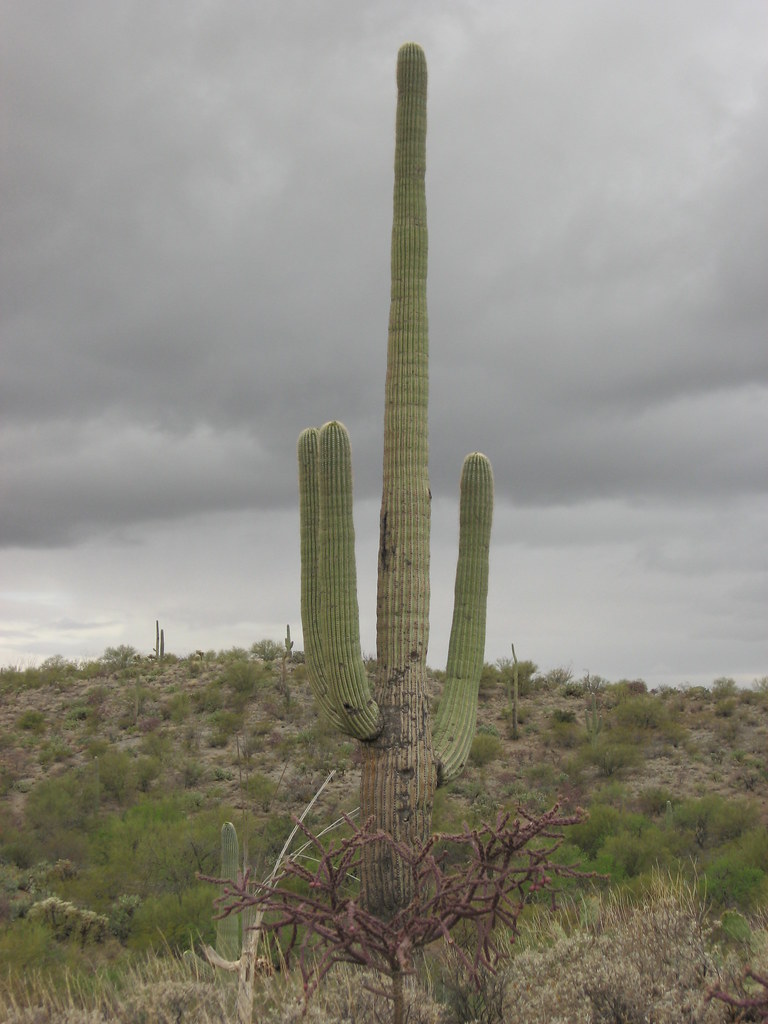
There is a moment, usually about ten minutes into the Bajada Loop Drive on the west side of Tucson, when the saguaro cacti grow so dense and so tall that you genuinely feel like you have wandered onto another planet. This is Saguaro National Park’s Tucson Mountain District — the western unit, the one that locals sometimes call “the west side” — and it is, without exaggeration, one of the most visually arresting places in the American Southwest.
The park sits just beyond the gates of the Arizona-Sonora Desert Museum on Kinney Road, tucked against the rugged Tucson Mountains in a neighborhood that transitions almost seamlessly from suburban streets to raw, untouched Sonoran Desert. Getting there takes about twenty-five minutes from downtown Tucson, and the drive itself begins to feel like a ceremony — the city fading behind you, the landscape opening up, the iconic silhouettes of saguaros rising against an impossibly blue sky.
What makes the west unit special, and distinct from its more famous eastern counterpart near the Rincon Mountains, is the sheer concentration and age of its saguaro forest. These cacti can live well over 150 years, and many of the specimens here look it — multi-armed giants with personalities, leaning at odd angles, cratered by woodpecker holes, crowned with waxy white blossoms in late spring. Walking among them feels less like hiking and more like moving through a living monument.
The Red Hills Visitor Center is a wonderful place to orient yourself. The staff are knowledgeable and genuinely enthusiastic, the exhibits are thoughtful without being overwhelming, and the sweeping views from the terrace remind you immediately why you made the trip. Pick up a trail map here, fill your water bottle, and decide whether you want to drive the unpaved Bajada Loop — which is accessible to most standard vehicles and covers about six miles of scenery — or lace up your boots for one of the trails.
For hikers, the Valley View Overlook Trail is a must. It is only about 0.8 miles round trip, but the payoff is enormous: a panoramic view of the Avra Valley and a saguaro-studded ridgeline that photographers have been chasing for decades. If you want something more challenging, the King Canyon Trail connects to the summit of Wasson Peak, the highest point in the Tucson Mountains, and rewards the effort with 360-degree views that stretch to the Santa Catalinas on one side and the Baboquivari Mountains on the other.
Timing your visit matters here. Sunrise and the hour before sunset are transformative — the low light turns the saguaros gold and casts long shadows across the rocky terrain. In May and June, when the saguaros bloom, the air carries a faint sweetness and the birds are relentless in their energy. By July, the summer monsoons roll in and the desert erupts in color: brittlebush, palo verde, and desert poppies painting the hillsides in ways that surprise even longtime residents.
The entrance fee is modest, a weekly pass runs just fifteen dollars per vehicle, and the park is open year-round. If you are in Tucson for any length of time, plan at least one morning here. Bring water, wear sun protection, and leave your schedule loose. The Tucson Mountain District has a way of expanding time — an hour becomes two, a short walk becomes an exploration — and that, honestly, is exactly the point.