There are places in this world that stop you cold the moment you understand what you are actually standing on. Falls of the Ohio State Park, tucked into Clarksville, Indiana just across the river from Louisville’s West End, is absolutely one of those places. Yes, technically it sits a stone’s throw over the state line, but Louisvillians have claimed this treasure as their own for generations, and once you visit, you will understand why.
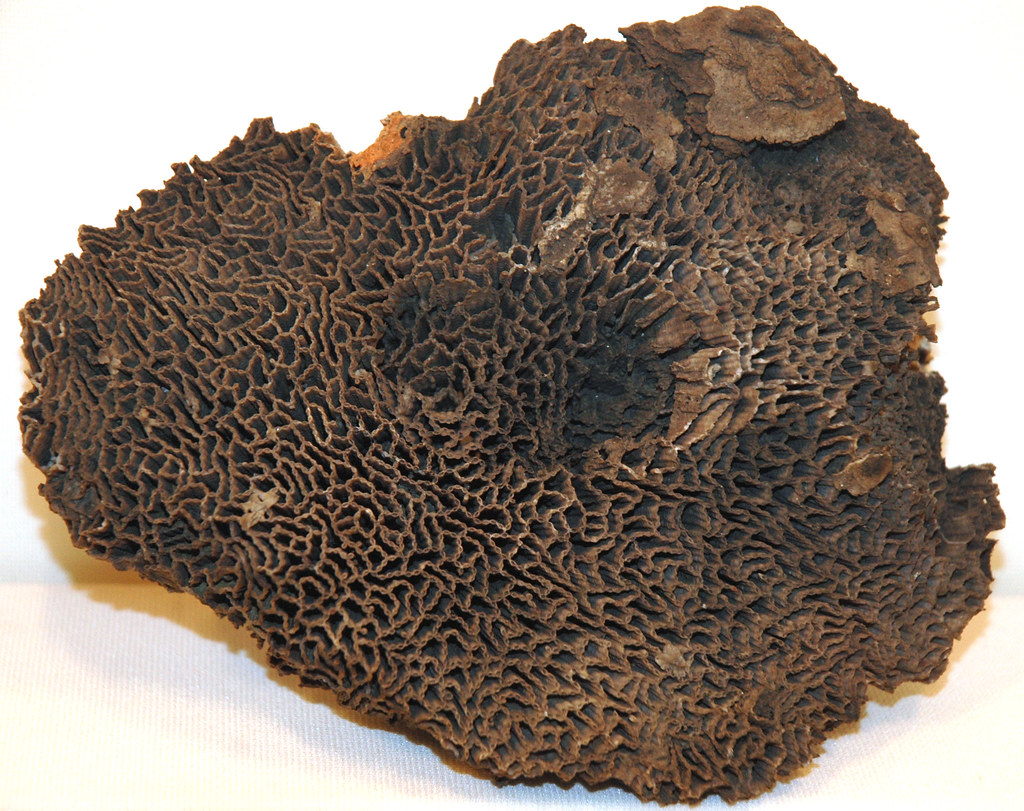
The star of the show here is a 390-million-year-old fossil bed — one of the largest naturally exposed Devonian fossil beds in the world. Let that sink in for a moment. When you step out onto those broad, flat limestone shelves along the Ohio River, you are walking across an ancient seafloor. Coral formations, brachiopods, and crinoid fossils protrude from the rock in stunning detail, visible to anyone willing to look down and pay attention. There are no ropes, no glass cases, no velvet barriers between you and the Devonian period. You simply walk out there and meet deep time face to face.
The interpretive center on site is a wonderful place to start your visit. The exhibits do a genuinely impressive job of contextualizing the geology and paleontology you are about to witness, and the staff are knowledgeable and enthusiastic in a way that feels refreshing rather than performative. After a thirty-minute walkthrough, you will head outside with fresh eyes and a much sharper sense of what you are looking at beneath your feet.
Beyond the fossils, the park offers a spectacular vantage point of the Louisville skyline rising on the opposite bank. The Ohio River here feels wide and mighty and ancient — which, of course, it is. Birdwatchers consistently find Falls of the Ohio to be one of the premier birding spots in the entire region, particularly during migration seasons when shorebirds and wading birds congregate along the exposed rocky outcroppings. Bring binoculars if you have them.
The park is accessible year-round, though the fossil beds are best explored when river levels are low, typically in late summer and early fall. Wear sturdy, closed-toe shoes with good grip — the limestone can be slick in places, and the terrain is uneven. Admission to the interpretive center is modest, and the outdoor fossil beds themselves are free to explore.
Getting here from downtown Louisville takes all of fifteen minutes via the Clark Memorial Bridge. Pack a water bottle, leave the flip-flops at home, and give yourself at least two hours. This is not a quick photo opportunity. It is a genuine encounter with natural history on a scale that is almost impossible to comprehend — and that is precisely what makes it so extraordinary.