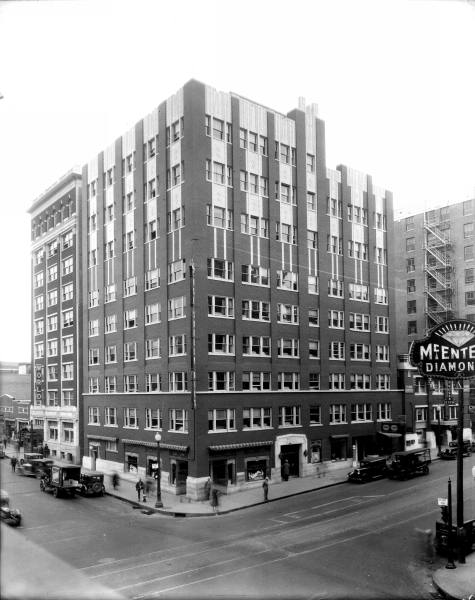
There is a particular kind of magic that happens when you stand at the corner of South Boston Avenue and East Fifth Street in downtown Tulsa, tilt your head back, and let the full verticality of the Midcontinent Tower wash over you. Completed in 1984 but clad in the limestone and Gothic Revival ornament of a building that feels like it was born straight out of the 1920s oil boom, this 36-story tower is one of the most photographed and least-visited landmarks in a city full of architectural wonders. And that, frankly, is a situation worth correcting.
Downtown Tulsa’s core — particularly the stretch along South Boston Avenue between Third and Tenth Streets — is one of the most concentrated collections of Art Deco and neo-Gothic commercial architecture in the entire United States. The Midcontinent Tower anchors the southern end of that corridor like a proud exclamation point. Its crown, illuminated at night in warm amber light, is visible from miles away, and yet most visitors walk past it without stopping to appreciate what they are actually looking at: a building that captures the spirit of a city that once called itself the Oil Capital of the World and meant every syllable of it.
The best way to experience this landmark is as part of a self-guided walking loop through the surrounding blocks. Start at the tower itself. Study the carved limestone details at street level — the geometric patterning, the recessed entrance, the way light falls differently across the facade at different times of day. Morning is ideal. The low eastern sun rakes across the stone and turns every carved surface into a small drama of shadow and highlight. Bring a camera, or simply bring your eyes and a willingness to slow down.
From there, work your way north along Boston Avenue. You will pass the Boston Avenue United Methodist Church — already famous in its own right — and encounter a half-dozen other beautifully preserved commercial buildings that once housed oil companies, law firms, and the booming financial infrastructure of a city swimming in black gold. The sidewalks feel purposeful here, wide and clean, and the scale of the street is human enough that you never feel lost in the canyon effect that plagues larger downtowns.
By mid-morning, when the coffee shops along Fifth Street are fully humming, pull up a sidewalk seat, order something strong, and watch the light shift on the tower’s upper floors. It changes constantly. That is the thing about limestone — it is alive in a way that glass curtain walls simply are not.
Tulsa’s story is inseparable from petroleum wealth, and the Midcontinent Tower is perhaps its most elegant architectural confession of that fact. This is not a museum or a ticketed attraction. There is no admission fee, no tour bus required, no reservation necessary. It is simply a great American building standing in a great American downtown, waiting patiently for you to show up and pay attention. Do yourself the favor.
Parking is plentiful on weekends in the surface lots along Fourth and Sixth Streets, and the tower is within easy walking distance of several excellent lunch spots in the Blue Dome and Brady adjacent areas. Plan two to three hours if you want to do the full Boston Avenue corridor justice. You will not regret a single minute of it.